
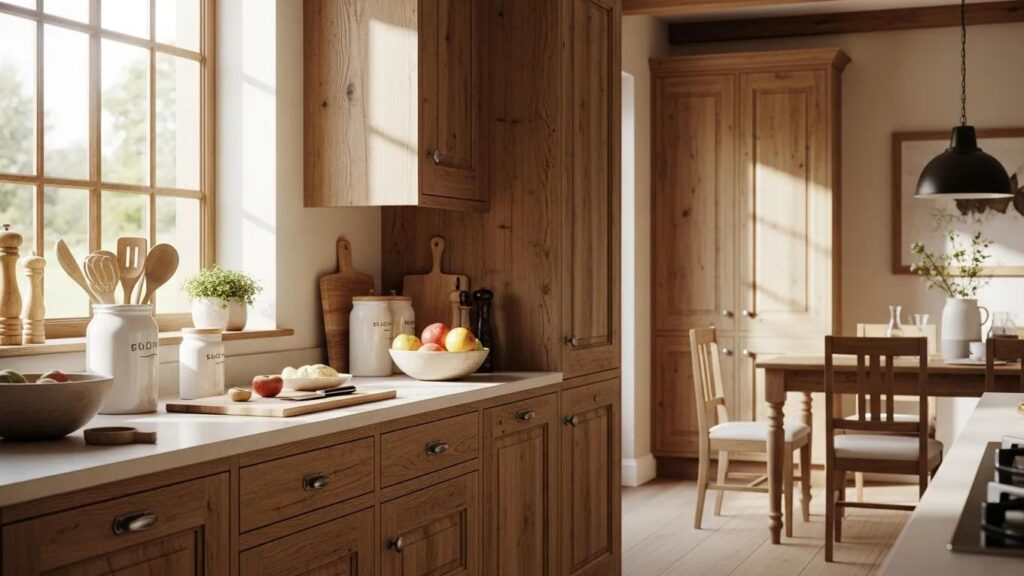
Why Choose Solid Wood Cabinets for Your Kitchen Renovation: Benefits and Considerations
By Andrei Scvortov, Kitchen Wholesale
The choice of cabinetry shapes a kitchen’s function and look. Solid wood cabinets combine durability, timeless visual appeal, and long-term value. This article summarises benefits, common species, and maintenance tips to extend service life, helping homeowners balance appearance and longevity. For London homeowners, local resources may help — see “kitchen renovations in London”.
What Are the Key Benefits of Solid Wood Kitchen Cabinets?
Solid wood cabinets resist daily wear, add warmth and character, and can boost market value. They come in options that balance quality and cost, so homeowners can achieve durable, high-quality results within practical budgets.
How Do Solid Wood Cabinets Enhance Kitchen Durability and Longevity?
Compared with particleboard or laminate, solid wood withstands wear and frequent use and is less prone to warping when maintained. Cabinets can be refinished multiple times; routine cleaning and conditioning preserve finish and structure to extend service life.
In What Ways Do Solid Wood Cabinets Improve Kitchen Aesthetics and Value?
Solid wood’s grain and finishes (e.g., oak, maple) offer varied looks, from traditional warmth to contemporary tones. Many buyers view solid wood as a premium feature that can improve resale appeal.
Which Types of Solid Wood Are Commonly Used in Kitchen Cabinets?
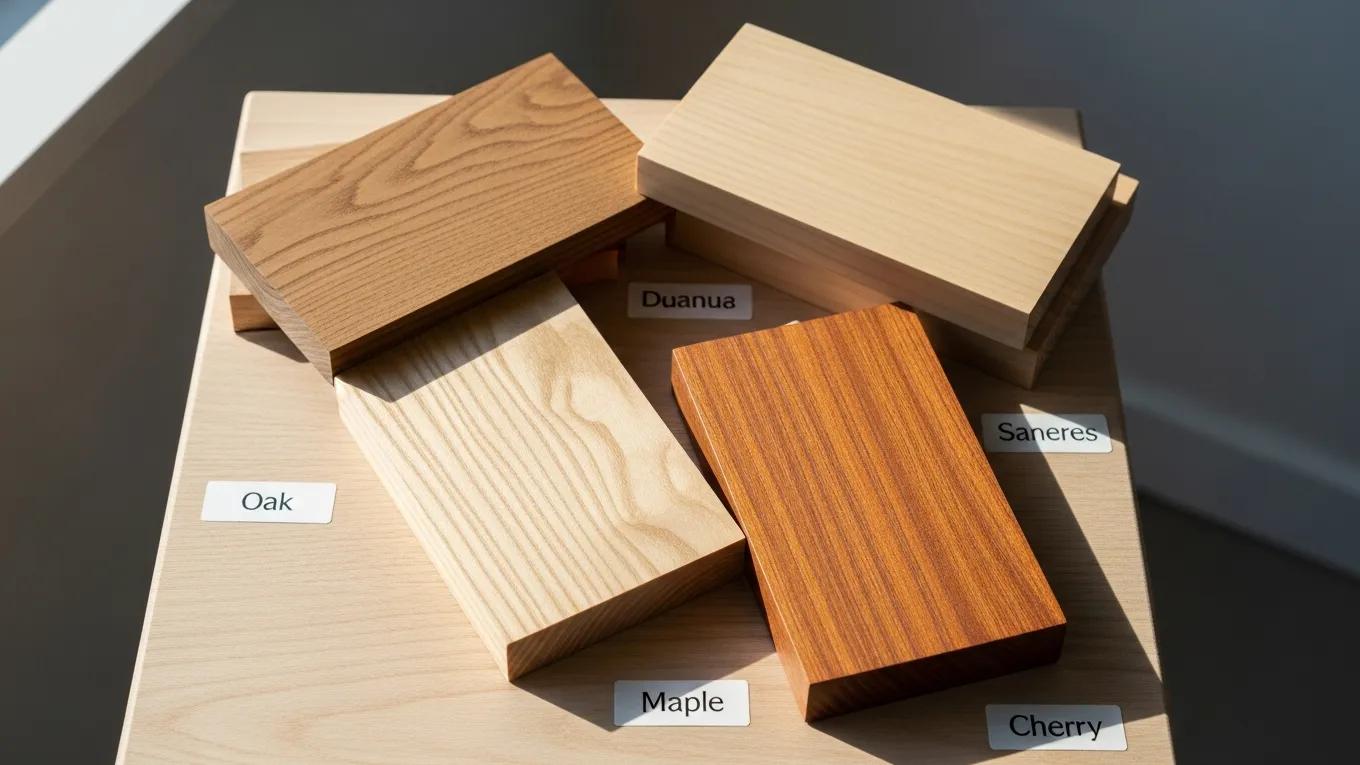
Several hardwoods are commonly used—most often oak, maple, and cherry—each offering different grain, colour, and hardness. Knowing these differences helps select the best material for a project.
What Are the Characteristics of Popular Hardwood Species Like Oak and Maple?
Oak brings strength and a pronounced grain; maple has a smoother, lighter surface suited to modern styles. Both take stains and paints well, giving flexibility to match decor.
How Do Different Wood Finishes Affect Cabinet Appearance and Maintenance?
Finishes affect look and upkeep. Varnish, lacquer, and oils offer different protection: lacquer gives a durable sheen, oils highlight natural character but may need more upkeep. Choose finishes to match maintenance preferences and design goals.
How Do Solid Wood Cabinets Compare to Other Kitchen Cabinet Materials?
Alternative materials like laminate or particleboard cost less but typically lack the durability and aesthetic quality of solid wood; the latter’s longevity can justify higher initial costs.
What Are the Cost and Affordability Considerations for Solid Wood Cabinets?
Prices vary by species and design complexity; solid wood usually costs more upfront than laminates. Its durability and potential to increase home value can offset the higher initial expense over time.
How Does Durability of Solid Wood Cabinets Compare to Alternatives?
Solid wood resists chipping and warping better than many alternatives and can be repaired or refinished to extend life.
What Are Essential Maintenance and Care Tips for Solid Wood Cabinets?
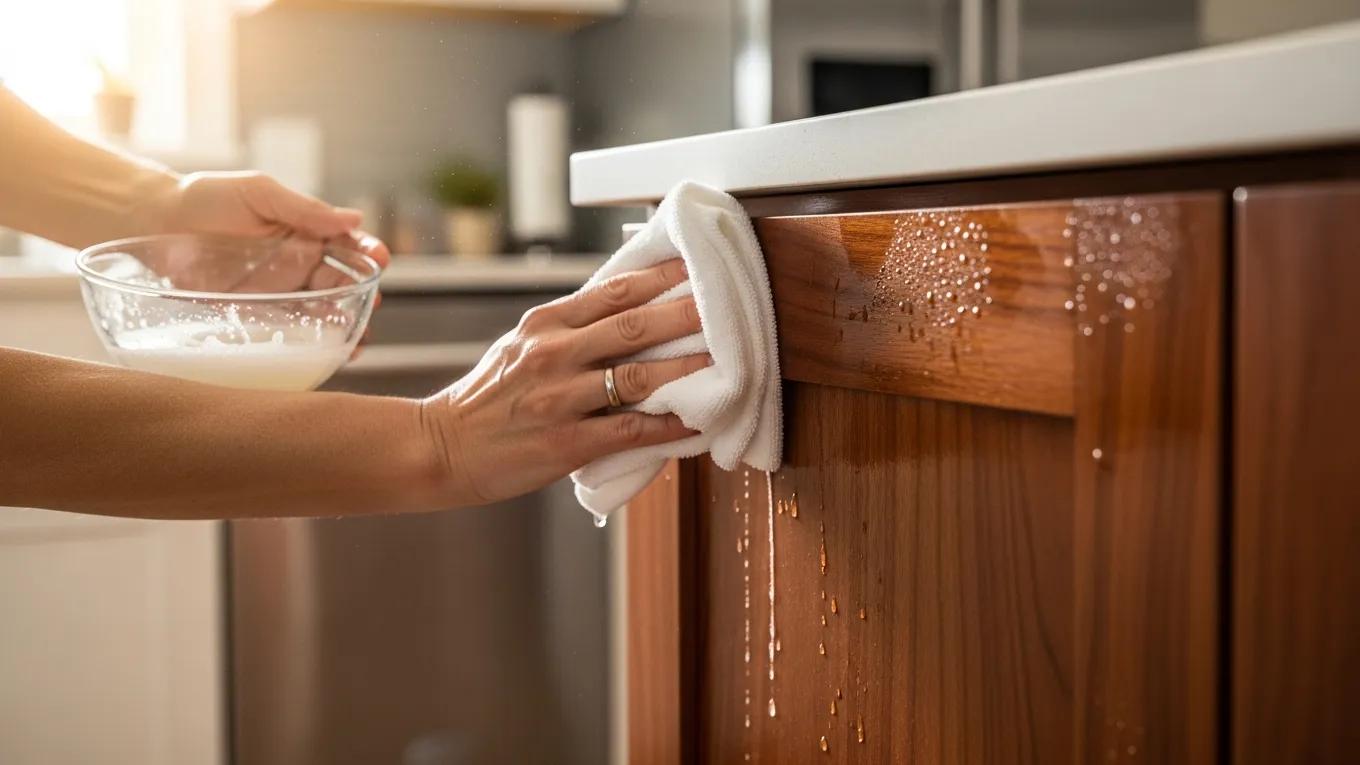
Routine cleaning and periodic conditioning preserve finishes and reduce damage. Follow best practices to keep cabinets functional and attractive.
How Can Homeowners Preserve the Finish and Structural Integrity of Cabinets?
Use mild cleaners and avoid harsh chemicals that strip oils. Apply a wood conditioner periodically for luster and moisture protection. Control humidity to limit warping and cracking.
What Are Recommended Cleaning Practices for Solid Wood Kitchen Cabinets?
Wipe cabinets with a soft cloth and mild soap; avoid abrasives and dry surfaces promptly. A regular cleaning schedule preserves appearance and function.
For project advice or renovation quotes, contact qualified professionals via the “contact us” page.
Frequently Asked Questions
What are the environmental impacts of choosing solid wood cabinets?
When sourced from sustainably managed forests, solid wood is renewable and can support responsible forestry. Environmental impact varies with species and manufacturing; look for FSC or similar certifications to confirm responsible sourcing.
How do solid wood cabinets perform in humid environments?
With proper maintenance and ventilation, solid wood performs in humid conditions. Humidity fluctuations can cause warping or cracking; protective finishes and dehumidifiers help mitigate risks.
Can solid wood cabinets be customized to fit specific kitchen designs?
Solid wood is highly customisable—manufacturers offer varied door styles, hardware, sizes, and interior configurations. A skilled cabinetmaker or designer ensures fit and coordinated aesthetics.
What is the average lifespan of solid wood cabinets?
Typical lifespan ranges from 20 to 50+ years depending on species, construction, and care. Proper cleaning, conditioning, and occasional refinishing support long-term durability.
Are there any drawbacks to solid wood cabinets?
Drawbacks include higher cost, vulnerability to scratches or dents, and sensitivity to humidity and temperature changes. They may require more maintenance than inexpensive alternatives.
How do I choose the right wood species for my cabinets?
Choose species based on desired look, durability, and budget. Oak, maple, and cherry offer distinct grain and tones; consult a professional to match material to use and style.