
Why Choose Custom Traditional Cabinets in Barrie: Discover the Benefits of Affordable Handcrafted Kitchen Cabinetry
By Andrei Scvortov, Kitchen Wholesale
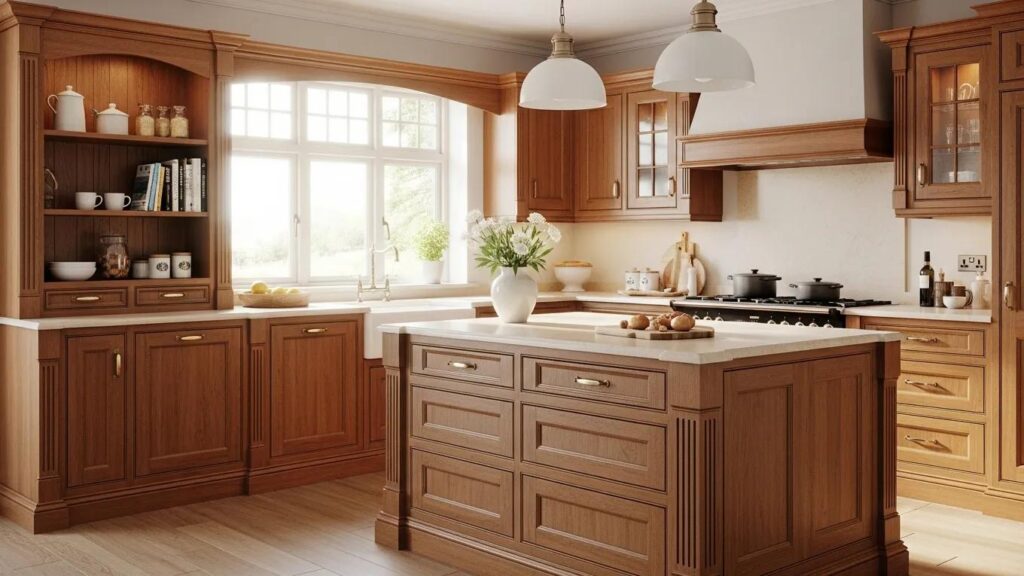
Custom traditional cabinets combine skilled craftsmanship, practical design, and lasting aesthetics, making them an excellent choice for homeowners in Barrie. Built to individual specifications, they offer personalized storage and finish choices. This article outlines benefits for kitchen function and property value, common materials and styles, how Kitchen Wholesale delivers cost‑effective options, and key installation and maintenance points so you can judge their value for your home.
What Are the Key Advantages of Custom Traditional Cabinets in Barrie?
Custom traditional cabinets improve both the functionality and appearance of a kitchen. They are manufactured with attention to detail and durable materials to support long service life. A principal advantage is design flexibility, which allows homeowners to specify layouts and finishes to meet specific needs. In many cases, custom cabinetry can also enhance a home’s market value, making it a sound financial consideration.
How Do Custom Cabinets Enhance Kitchen Functionality and Aesthetics?
Custom cabinets improve kitchen function through purpose‑built layouts and storage that optimize available space. Homeowners can specify dimensions, internal configurations, and accessories to support cooking and entertaining routines. Integrating custom cabinetry creates a cohesive design that enhances usability and elevates the kitchen’s visual presence.
Why Is Local Craftsmanship Important for Traditional Cabinetry?
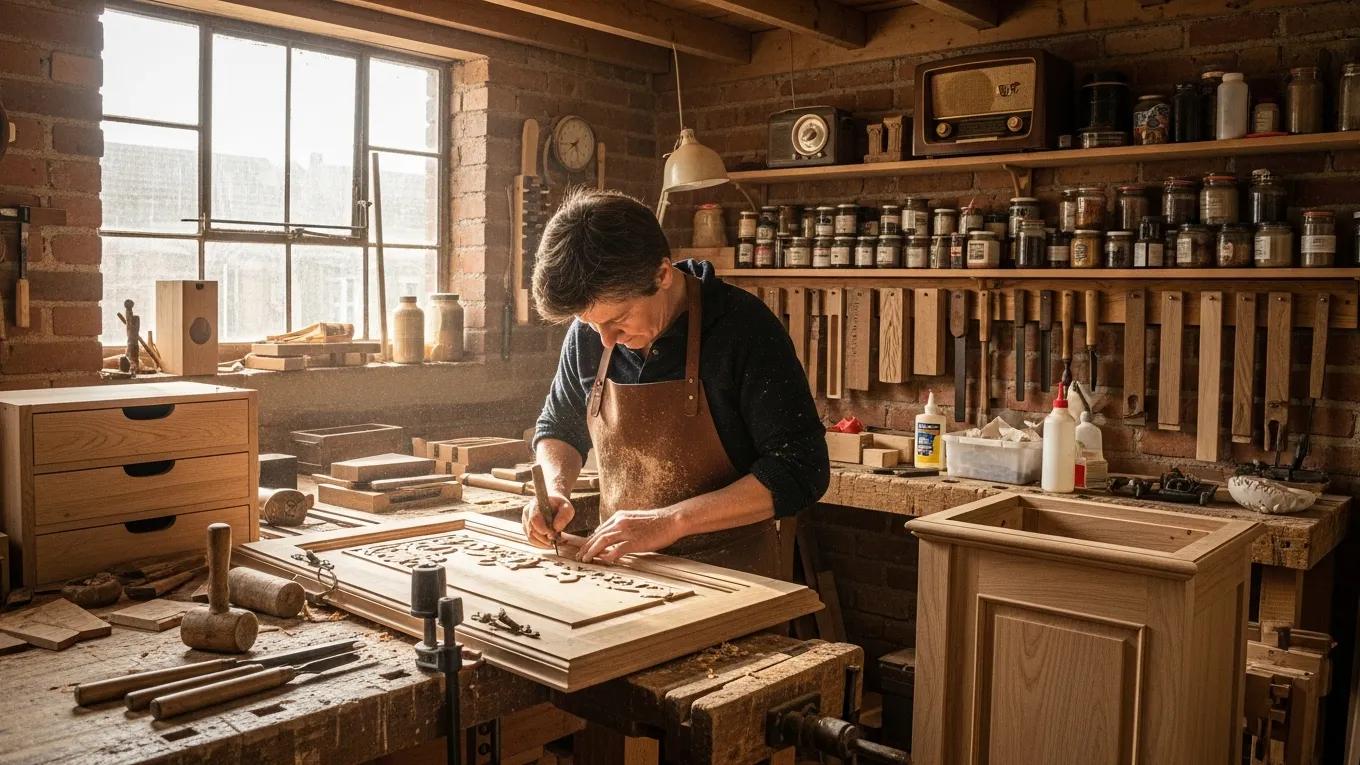
Local craftsmanship significantly influences the quality and authenticity of traditional cabinetry. Engaging regional artisans supports the local economy and ensures work completed with established skills and proper oversight. Local makers commonly employ quality materials and time‑tested techniques, producing cabinets that combine refined appearance with long‑term durability. Local production also reflects regional heritage and community values.
The role of local craftsmanship also extends to preserving cultural heritage and supporting the sustainable continuation of traditional practices, as research indicates.
Preserving Traditional Craftsmanship in Cabinetry
Rising concern for local traditions and community events has encouraged conservation of intangible cultural heritage and supported the continuity of traditional craftsmanship. Effective conservation requires transmission of knowledge from master to apprentice and sustained practice to guarantee ongoing development.
The effects of tourism on traditional craftsmanship for the sustainable development of historic environments, Ö Karakul, 2019
Which Materials and Styles Define Traditional Kitchen Cabinets in Ontario?
Traditional kitchen cabinets in Ontario are defined by materials and design that convey enduring elegance. Common species include oak, maple, and cherry, each with distinct grain, color, and durability characteristics. Finishing options—such as stains and paint systems—allow further customization to align with the homeowner’s design objectives.
The historical development of cabinet and furniture manufacturing in Ontario demonstrates how local demand and resource availability have shaped the regional industry.
Ontario Cabinet Manufacturing: Local Craftsmanship & Supply
The cabinet and furniture industry in Ontario illustrates diverse paths to industrialization. Complex and unpredictable demand, smaller markets and lower incomes relative to the United States, and abundant local timber limited mechanization and enterprise scale. Small, non‑powered workshops remained competitive into the nineteenth and twentieth centuries, creating a distinctive industrial pattern that reflects the interaction of local demand and supply.
The diversity of industrial experience: cabinet and furniture manufacture in late nineteenth-century Ontario, K Inwood, 2003
What Wood Types Are Best for Custom Traditional Cabinets?
When selecting wood for custom traditional cabinets, durability and appearance are primary considerations. Oak is valued for strength and a pronounced grain. Maple provides a smooth substrate suitable for varied finishes. Cherry is noted for its rich tone and attractive aging. Homeowners choose among these species based on aesthetic preference and budgetary limits.
How Do Traditional Design Elements Influence Cabinet Style?
Traditional design elements define cabinet character through raised‑panel doors, decorative moldings, and detailed hardware. These features reference historical styles to produce a classic appearance. Contemporary interpretations retain traditional character while offering modern customization to meet current preferences.
How Does Kitchen Wholesale Offer Affordable Custom Cabinets in Barrie?
Kitchen Wholesale supplies affordable custom cabinets configured for the Barrie market. Their product range includes multiple styles and finish options to suit varied kitchen designs. The company emphasizes configurable elements—door profiles, finishes, and hardware—so clients can balance design intent with budget requirements.
What Customization Options Are Available for Traditional Cabinets?
Kitchen Wholesale provides a range of options for traditional cabinets, including alternate door profiles, finish systems, and hardware selections. Homeowners may select materials and colors to achieve a coordinated kitchen aesthetic. This configurability ensures cabinets perform functionally while reflecting the owner’s design objectives.
How Does Pricing Compare for Custom Cabinets in the Barrie Market?
Custom cabinet pricing in Barrie varies with material choice, design complexity, and selected options. Kitchen Wholesale seeks to offer competitive pricing while maintaining quality standards. By sourcing materials directly and utilizing local craftsmanship, the company provides cost‑effective solutions that meet homeowner expectations for durability and finish.
What Should You Know About Installation and Maintenance of Traditional Cabinets?
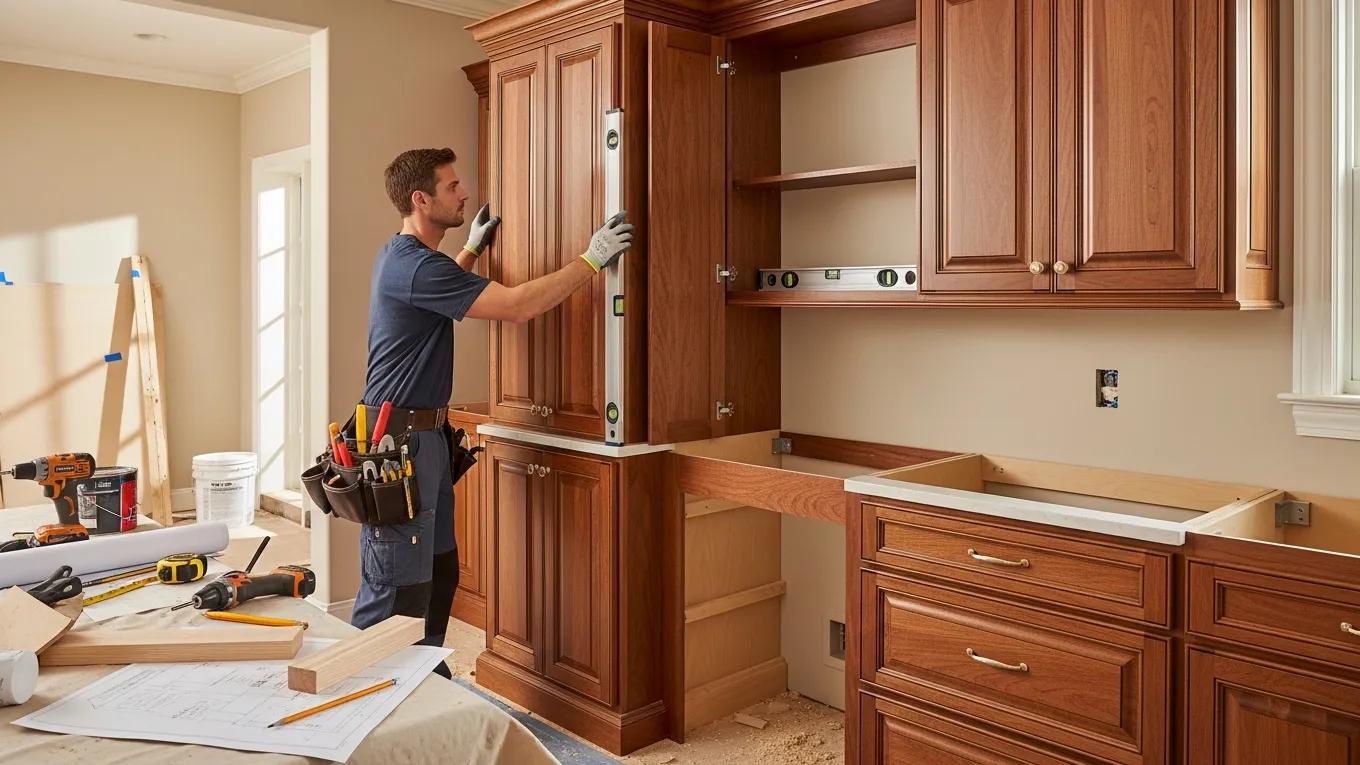
Proper installation and routine maintenance are essential to preserve performance and appearance. Professional installation by local experts ensures cabinets are securely anchored and aligned, reducing risks of warping or misfit. Regular care and appropriate cleaning preserve surface finishes and operational reliability.
How Is the Installation Process Managed by Local Barrie Experts?
Local installers manage cabinet installation through a structured process. This includes precise site measurement, preparation of the installation area, and on‑site adjustments to achieve correct fit. Installers provide a clear project timeline so homeowners understand the schedule and key milestones.
What Are Best Practices for Maintaining Handcrafted Kitchen Cabinets?
Maintain handcrafted cabinets with gentle, non‑abrasive cleaners to prevent residue and surface damage. Avoid prolonged exposure to excess moisture and heat to reduce the risk of warping and finish deterioration. Adopt preventative measures—such as protective coasters and avoiding harsh solvents—to preserve cabinet condition over time.
For further information or to contact us, please visit our website.
If considering a renovation beyond Barrie, review options for kitchen cabinets in London, Ontario to explore additional styles and material choices.
Frequently Asked Questions
What is the typical timeline for custom cabinet installation?
Timelines vary by design complexity and project scale. Typically, installation requires several days to one week. Local installers will provide a detailed schedule and uphold quality standards. Maintain communication with the installer to confirm the specific timeline for your project.
Are there eco-friendly options available for custom cabinets?
Yes. Many manufacturers, including Kitchen Wholesale, offer eco‑friendly options such as cabinets produced from sustainably sourced wood, low‑VOC finishes, and environmentally preferable adhesives. Homeowners seeking to reduce environmental impact should request documentation on materials and practices to ensure selections meet sustainability objectives while maintaining quality and style.
How can I ensure my custom cabinets match my kitchen’s overall design?
To ensure cabinets harmonize with the kitchen, evaluate the existing color palette, materials, and architectural style. Collaborate with a designer or the cabinet supplier to select finishes, hardware, and door profiles that complement the space. Reviewing physical samples or 3D renderings assists informed decisions and supports a cohesive final result.
What are the common mistakes to avoid when choosing custom cabinets?
Avoid common errors such as underestimating storage needs, neglecting the kitchen layout, and overlooking material quality. Failing to establish a realistic budget can also lead to overspending. To prevent these issues, assess functional requirements, consult professionals, and prioritise preferences before finalizing plans.
Can I modify my cabinet design after the order is placed?
Modifying a cabinet design after order placement depends on the production stage. If manufacturing has not commenced, some revisions may be possible. Once production is underway, changes can incur additional costs or delays. Contact your supplier promptly to discuss any requested adjustments.
What should I consider when selecting hardware for my cabinets?
When selecting hardware, evaluate style, finish, and ergonomics. Hardware should be practical for daily use and visually consistent with the kitchen’s design. Consider handle size and shape for comfortable operation, and coordinate hardware finishes with fixtures such as faucets and appliances to achieve a unified appearance.