
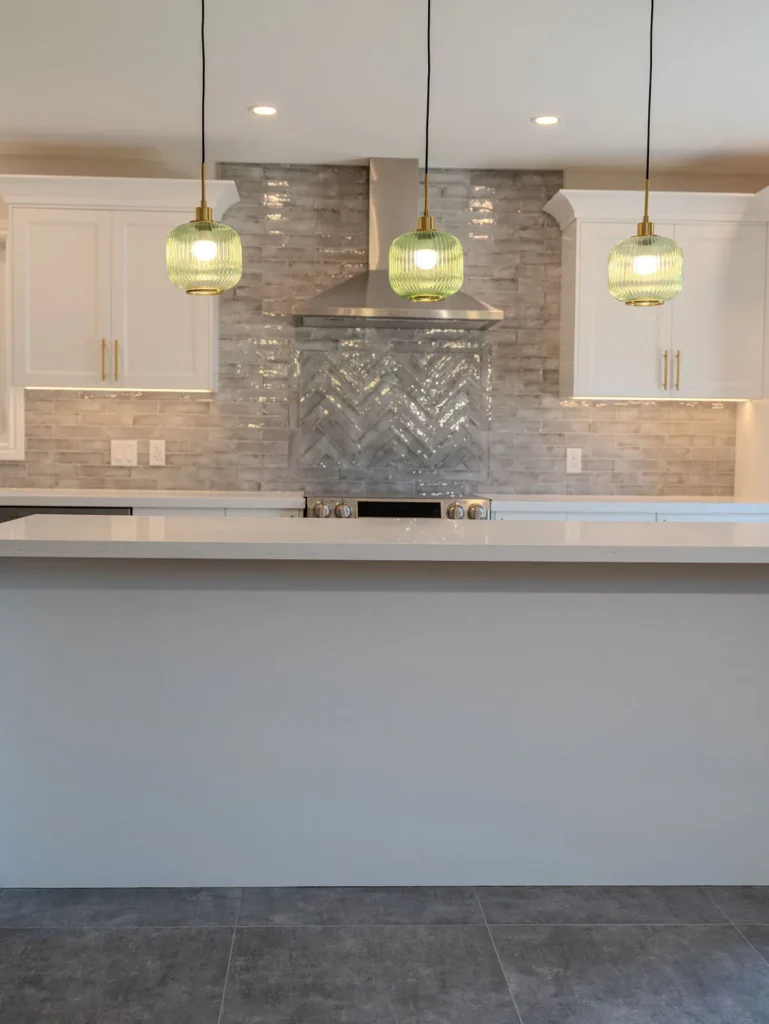
Essential Kitchen Renovation Tips Every Homeowner Needs for Affordable and Modern Upgrades
By Andrei Scvortov, Kitchen Wholesale
A kitchen renovation needs careful planning to deliver a modern, functional space while controlling costs. This guide covers budgeting, layout, finishes, and material choices to achieve durable, budget-friendly results.
Kitchens and bathrooms are often top priorities because daily use and quality upgrades improve comfort and resale value.
Kitchen & Bathroom Upgrades: Boosting Home Value and Functionality
When homeowners plan improvements, they often begin with kitchens and bathrooms. These spaces are used daily and influence how comfortable a home feels. A well-planned upgrade can improve convenience, organisation and long-term property value. Many home improvement experts recommend focusing on these areas first because they combine daily function with design impact. Industry research supports this idea. The National Association of Home Builders reports that kitchen and bathroom projects remain among the most common renovation activities in residential homes. Homeowners often prioritise improvements that improve durability, lighting, storage and hygiene. These upgrades help create practical spaces that support daily routines while also improving the overall atmosphere of the home.
Planning a Kitchen and Bathroom Upgrade: What Homeowners Should Know, 2026
Budgeting Effectively
Set clear priorities, get itemised quotes from multiple suppliers, and keep a 10–15% contingency to manage surprises and site changes.
- Set Priorities: Decide which elements matter most—cabinets, countertops, or appliances.
- Obtain Itemized Quotes: Compare detailed quotes from several suppliers.
- Reserve a Contingency Fund: Keep 10–15% of your budget for unforeseen expenses.
Budget and Risk Management in Kitchen Renovation Projects
Practitioners recommend allocating a percentage of the budget as a contingency for unforeseen expenses. During the work, the budget is frequently adjusted in response to actual site conditions and scope changes.
Budget and Risk Management Using the Example of a Kitchen Project Involving the Renovation of Wooden Floors and the Installation of Quartz, 2026
For competitive cabinetry and countertops, Kitchen Wholesale offers options across budgets.
Current Design Trends
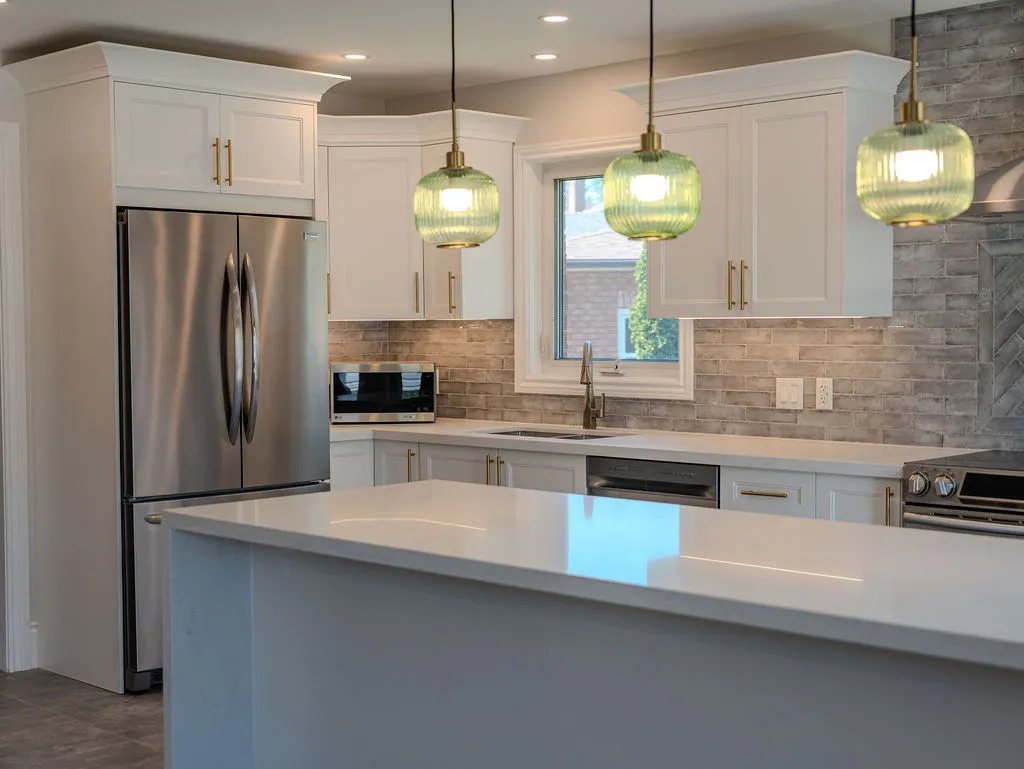
Modern kitchens favour simple profiles, restrained detail, and storage solutions that improve daily function while keeping a contemporary look.
- Clean Lines: Choose sleek cabinetry and countertops for a contemporary profile.
- Popular Color Palettes: Use neutral bases with bold accents for flexibility and personality.
- Smart Storage Solutions: Pull-out shelves and hidden compartments maximise usable space.
Kitchen Wholesale stocks products aligned with these trends for practical, attractive renovations.
Practical Implementation Advice
Confirm layouts with 3D design, hire experienced installers, and prioritise durable materials to reduce costly rework.
- Utilize 3D Design Consultations: Verify dimensions and finishes before purchase.
- Engage Professional Installers: Skilled installers reduce delays and mistakes.
- Focus on Durable Material Choices: Pick finishes that withstand daily use.
Users commonly prioritise room size, operational function, and material quality over purely decorative choices.
Kitchen Design Trends: Functionality, Material Quality, and Layout Preferences
According to the findings, kitchens in Kayseri average 18 m² and commonly use an “I” single-wall layout with at least 2 metres of cabinet and countertop run. Users prioritise size, functionality and material quality over aesthetics. Economical materials such as mermerit are common, while durable materials such as granite and other long-lasting surfaces are also used.
A Study on User Preferences and Kitchen Design Trends: The Case of Kayseri, TA Güzel
Innovative Layouts
Choose layouts that improve flow and make the most of available space with multifunctional elements and vertical storage.
- Open-Concept Designs: Create visual continuity with adjoining living areas.
- Multi-Functional Islands: Use islands for cooking, prep and casual dining.
- Smart Storage Solutions: Exploit vertical space and concealed storage to reduce clutter.
Color Schemes
Base the scheme on timeless neutrals and add accent tones for contrast and focal interest.
- Timeless Neutrals: White, gray and beige work across styles.
- Two-Tone Cabinetry: Different upper and lower colors add depth.
- Bold Accents: Use accessories or a feature wall for color pops.
Materials
Balance appearance, longevity and environmental impact; favour proven, low-maintenance surfaces where possible.
- Sustainable Options: Consider bamboo or recycled countertops for lower impact.
- Engineered Surfaces: Offer durability and easy care for busy kitchens.
- Natural Wood Accents: Add warmth and texture with wood elements.
Functional Features
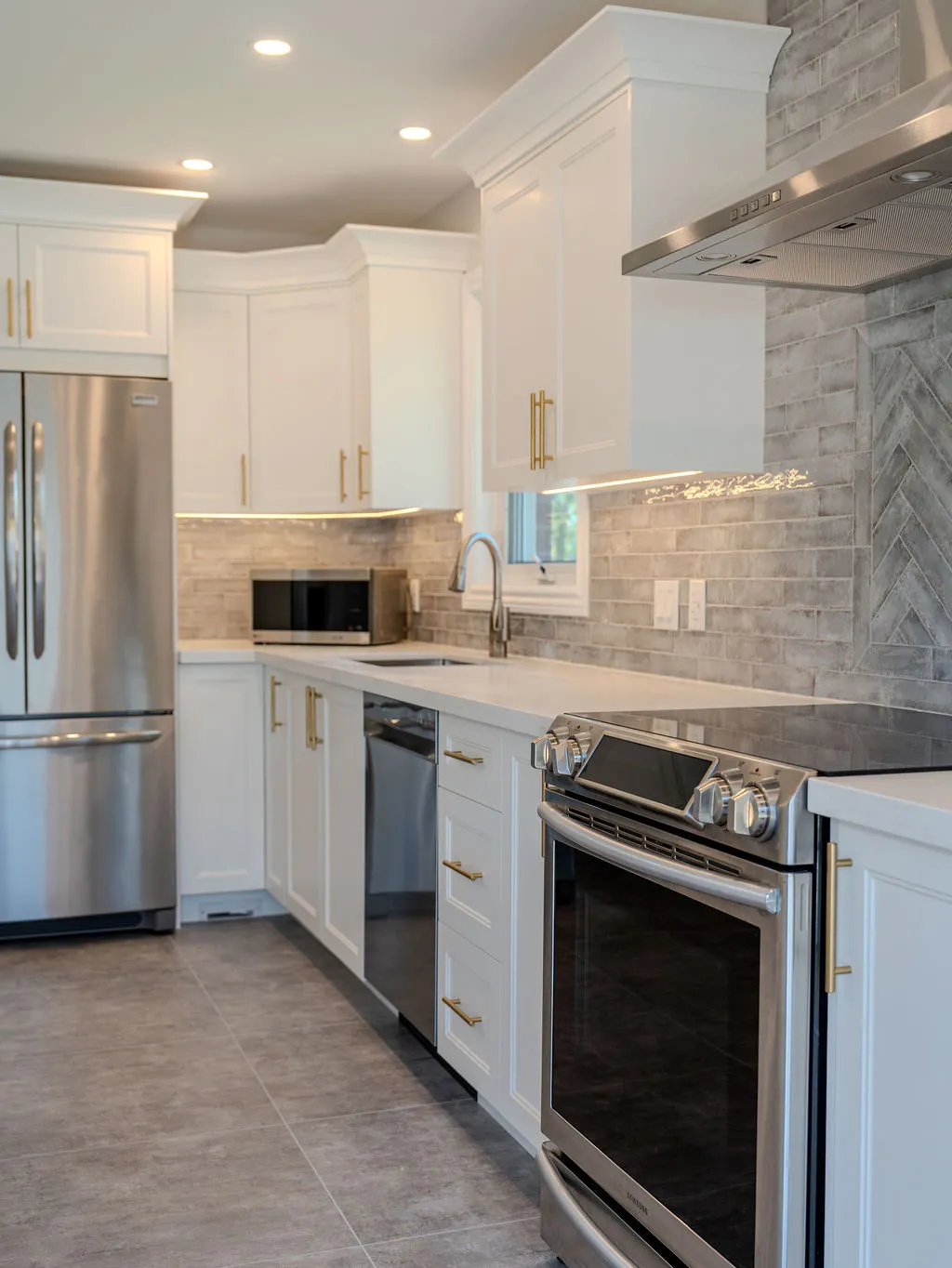
Integrated appliances, smart controls and ergonomic planning improve daily convenience and usability.
- Integrated Appliances: Blend appliances into the cabinetry for a seamless look.
- Smart Technology: Smart faucets, lighting and controls enhance efficiency.
- Ergonomic Designs: Design heights and workflows for comfort and accessibility.
How to Choose Kitchen Cabinets That Combine Style and Durability
Pick cabinet construction and finishes that resist wear and match the room’s style and budget.
- Material Choices: Plywood or solid wood improve longevity compared with cheaper cores.
- Design Considerations: Match door styles and hardware to the overall design.
- Budget Considerations: Set a cabinet budget early to guide choices.
Which Countertop Materials Offer the Best Balance of Affordability and Quality?
Select countertops based on maintenance, durability and long-term value for your cooking habits.
- Quartz: Durable and low maintenance for frequent use.
- Laminate: Cost-effective and available in many looks.
- Granite: Durable and unique, at a higher cost.
How Can Homeowners Plan an Effective Kitchen Renovation Checklist?
Use a staged checklist from site assessment to final walkthrough to keep the project on track.
- Initial Consultation and Measurement: Begin with accurate measurements and needs assessment.
- Design and Selections Process: Lock in materials, colors and layouts before ordering.
- Installation and Walkthrough: Verify installs and complete a final inspection.
What Budgeting Strategies Ensure Affordable Kitchen Upgrades?
Distinguish essentials from enhancements, compare itemised quotes, and preserve a contingency to avoid overspend.
- Set Clear Priorities: Delay non-essential upgrades when needed.
- Obtain Itemized Quotes: Compare comparable, detailed offers.
- Include a Contingency Fund: Plan for unexpected site costs.
How to Schedule Renovation Steps for Minimal Disruption
Plan phases, share timelines with contractors, and prepare a temporary cooking area to reduce household disruption.
- Establish a Clear Timeline: Map each phase and lead times.
- Break Down the Renovation into Phases: Tackle works sequentially to limit overlap.
- Prepare the Space Before Installation: Clear and protect areas before work begins.
What Are the Key Considerations for Selecting the Best Kitchen Materials?
Evaluate durability, life-cycle cost and aesthetic fit to select materials that meet daily demands and desired style.
- Durability of Materials: Prioritise low-maintenance, long-lasting surfaces.
- Cost Implications: Compare upfront cost with expected lifespan.
- Aesthetic Alignment: Ensure materials suit the chosen design theme.
How Do Material Durability and Maintenance Impact Kitchen Renovation Choices?
Durable finishes reduce lifetime cost and keep the kitchen performing well under frequent use.
- Material Longevity: Choose materials rated for heavy use where needed.
- Maintenance Needs: Understand cleaning and repair requirements before buying.
- Finish Impact on Durability: Finishes can extend or reduce effective lifespan.
What Sustainable and Energy-Efficient Options Are Available for Modern Kitchens?
Sustainability lowers environmental impact and operating costs—look for responsibly sourced materials and efficient appliances.
- Eco-Friendly Cabinet Materials: Use sustainable or recycled materials where possible.
- Energy-Efficient Appliances: Choose rated appliances to reduce energy use.
- Sustainable Installation Practices: Select contractors who minimise waste.
How to Balance DIY and Professional Services in Kitchen Renovations?
Keep DIY for low-risk tasks and hire professionals for regulated trades and complex installations to ensure code compliance.
- When to Choose DIY: Painting or simple hardware fits many DIYers.
- When to Hire Professionals: Leave plumbing, gas and electrical to licensed trades.
- Cost Considerations: Balance savings against risks of rework.
Which Renovation Tasks Are Suitable for DIY to Save Costs?
Do straightforward finishing tasks yourself but reserve specialist work for professionals to avoid costly errors.
- Simple Projects: Painting and some tiling are common DIY tasks.
- Cost-Saving Benefits: DIY reduces labour costs when done well.
- Risks Associated with DIY: Mistakes can add expense and delay.
When Should Homeowners Hire Professionals for Kitchen Upgrades?
Hire professionals for structural changes, regulated trades, or when speed and guaranteed quality are required.
- Complexity of the Project: Structural or hidden work needs professional input.
- Quality Assurance Considerations: Pros ensure code-compliant, safe outcomes.
- Time Constraints: Contractors can meet tight schedules reliably.
Frequently Asked Questions
What are the most common mistakes homeowners make during kitchen renovations?
Common mistakes include underbudgeting, poor workflow planning, and unrealistic timelines. Thorough planning, professional advice and a contingency fund reduce these risks.
How can I ensure my kitchen renovation adds value to my home?
Prioritise functional upgrades, durable finishes and market-appropriate choices. Consult local real estate guidance to avoid over-investing for your area.
What are some eco-friendly practices to consider during a kitchen renovation?
Use sustainable materials, choose energy-efficient appliances and low-VOC finishes, and work with contractors who manage waste responsibly.
How can I maximize storage in a small kitchen renovation?
Extend cabinets to the ceiling, add pull-out shelves, rotating carousels and drawer organisers, and use islands with concealed storage.
What role does lighting play in kitchen renovations?
Layer ambient, task and accent lighting for safety and atmosphere. Use under-cabinet lights for work surfaces and maximise natural light where possible.
How can I choose the right contractor for my kitchen renovation?
Research local contractors, check references and reviews, interview candidates, and confirm licences and insurance before signing a contract.
What are the benefits of using 3D design software for kitchen renovations?
3D design helps visualise layouts and materials, reduces errors, and improves communication with suppliers and installers before purchases are finalised.