
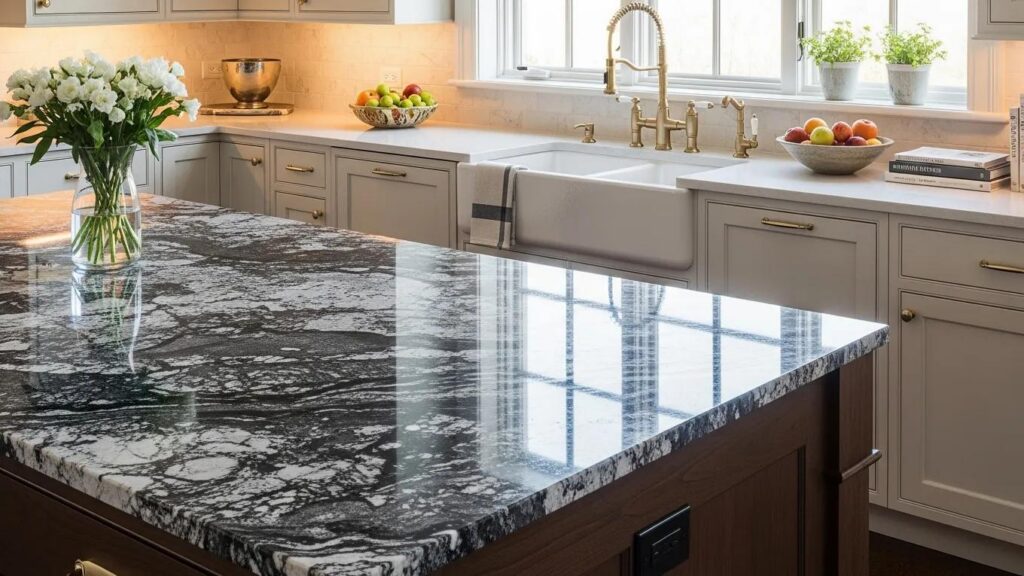
Granite vs Quartz Countertops: Which Is Best for You? A Clear Comparison of Durability, Cost, and Maintenance
By Andrei Scvortov, Kitchen Wholesale
Selecting the appropriate countertop material requires careful comparison of options such as granite and quartz. Each material presents specific characteristics, advantages, and limitations that affect kitchen performance and appearance. This article compares granite and quartz with emphasis on durability, cost, and maintenance so you can make an informed choice that aligns with your lifestyle and budget. The discussion also covers material differences, how those properties influence performance, and typical maintenance obligations.
Comparison of Granite and Quartz Countertops
Granite and quartz are leading choices for kitchen countertops, each with distinct benefits and trade-offs. The following section compares their durability, cost, and maintenance to clarify which material may suit your kitchen needs. If you are based in the London area, you may also review local suppliers and additional London kitchen countertop options.
Durability:
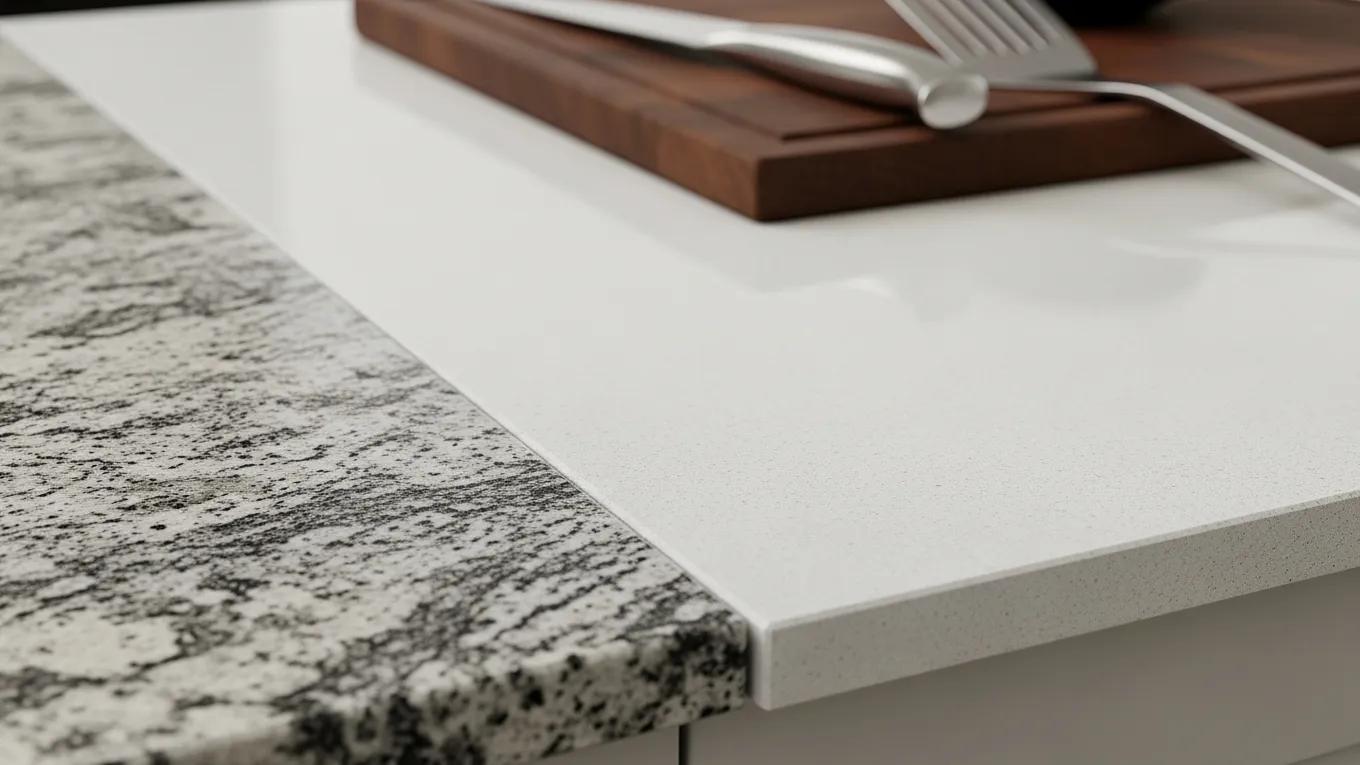
Both granite and quartz are durable, but they differ in composition and upkeep. Granite is a natural stone with strong heat resistance but is porous; it can absorb liquids and stain if not sealed. Quartz is an engineered, non-porous material that resists stains and scratches, making it suitable for kitchens with frequent spills.
Research supports the long-term benefits and aesthetic value of natural stone in kitchen applications.
Stone Countertops: Durability, Beauty, and Longevity in Kitchen Design
Stone surfaces remain a popular choice in kitchen design due to their durability and natural appearance. Natural stone forms over thousands of years, producing unique patterns and colours in each slab. Research from the Natural Stone Institute indicates that materials such as granite, marble and quartzite are valued for strength and extended service life. With appropriate maintenance, these surfaces can last for decades, which may make them a cost-effective investment compared with lower-grade materials that require replacement sooner. Stone surfaces also integrate with a range of kitchen styles, from modern cabinetry to traditional wood finishes and farmhouse-inspired décor.
What to Know Before Buying Stone Surfaces for Your Kitchen, 2026
Cost:
Pricing for granite and quartz varies by quality, brand, and installation. Granite commonly ranges from $40 to $100 per square foot, while quartz generally ranges from $50 to $150 per square foot. Although granite may be less expensive initially, its long-term costs can increase due to the need for periodic sealing.
Maintenance:
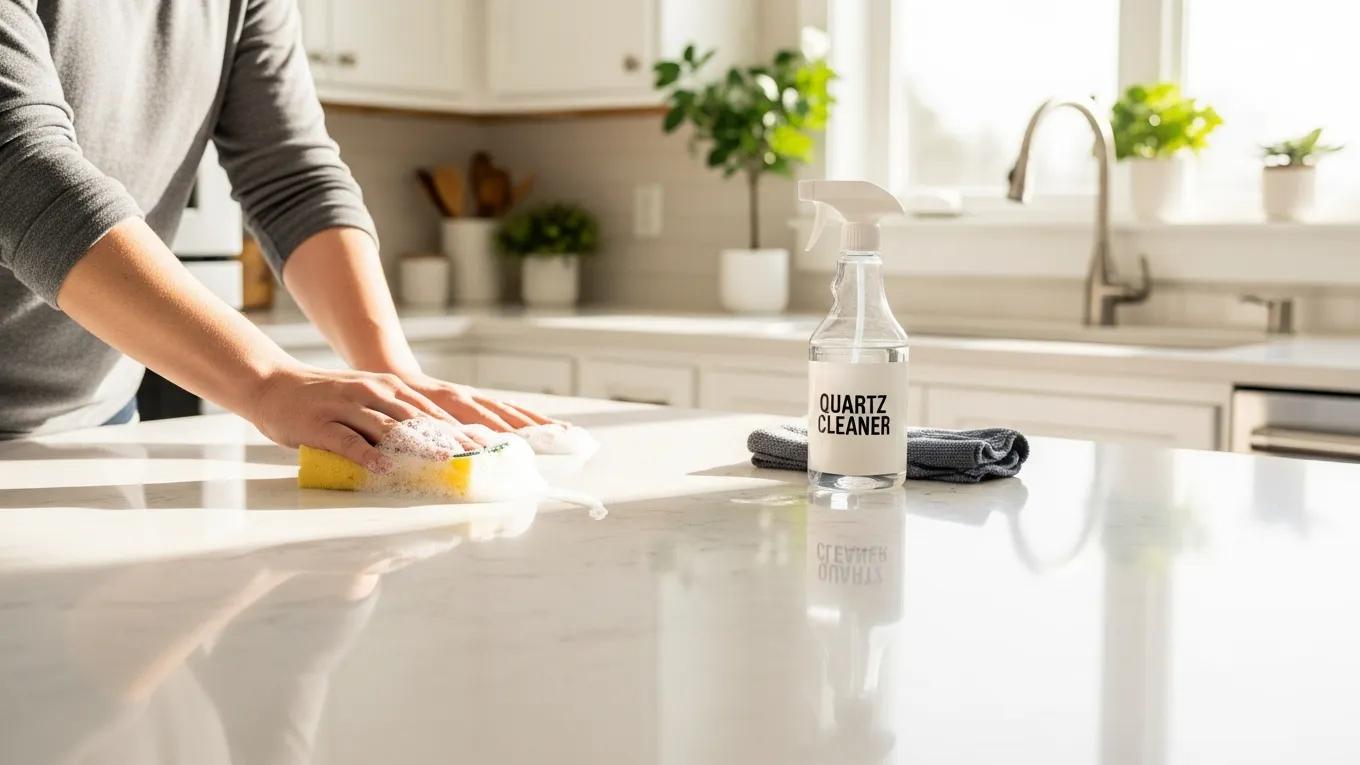
Maintenance requirements differ between the two materials. Granite requires regular sealing to prevent staining and to preserve its finish, which adds to upkeep time. Quartz is low maintenance; routine cleaning with mild soap and water is typically sufficient to maintain its appearance. This reduced maintenance burden is a key advantage of quartz.
Frequently Asked Questions
1. What are the environmental impacts of granite and quartz countertops?
Granite extraction can cause habitat disruption and consumes substantial energy during quarrying. Quartz countertops are manufactured from natural quartz combined with resins, and their production also has environmental impacts. Many manufacturers now adopt sustainable measures, including recycled content and eco-friendlier resins, to reduce environmental effects. Review manufacturer sustainability practices when assessing options.
2. How do granite and quartz countertops perform in terms of heat resistance?
Granite tolerates high temperatures and can generally accommodate hot pots and pans placed briefly on the surface. Quartz is heat resistant but contains resin, which increases the risk of heat-related damage such as warping or discolouration under extreme heat. Use trivets or hot pads on quartz surfaces to prevent damage.
3. Can granite and quartz countertops be repaired if damaged?
Both materials can be repaired, though techniques differ. Granite can be polished and resealed and minor chips filled with epoxy; extensive damage may require professional restoration. Quartz can be repaired, but matching colour and pattern may be more difficult. Consulting a professional is recommended for significant repairs to ensure a favourable result.
4. Are there any color and design limitations with granite and quartz?
Granite provides a wide range of natural colours and unique slab patterns, which can limit consistency across installations. Quartz offers a broader, controlled palette and can replicate natural stone appearances, allowing for more predictable design coordination. The choice depends on whether uniqueness or consistency is the priority.
5. How do granite and quartz countertops affect home resale value?
Both granite and quartz can contribute positively to resale value, with variations according to market preferences. Granite is often perceived as a premium natural material that appeals to traditional buyers. Quartz, valued for its modern look and low maintenance, is increasingly attractive to contemporary buyers. Consider local market trends and target buyer preferences when evaluating investment impact.
6. What are the best cleaning products for granite and quartz countertops?
For granite, use pH-balanced cleaners formulated for natural stone to protect the sealant; avoid acidic or abrasive products that could damage the finish. For quartz, mild soap and water are generally adequate for routine cleaning. Some manufacturers recommend specific quartz cleaners; consult product guidelines to confirm compatibility. Appropriate regular cleaning preserves appearance and longevity for both materials.
7. How do I choose between granite and quartz for my kitchen?
Selecting between granite and quartz depends on lifestyle, budget, and aesthetic goals. Choose granite if you prioritise natural character and are prepared for regular maintenance. Choose quartz if you require a low-maintenance surface with consistent colours and patterns. Evaluate cooking habits, expected wear, and the level of maintenance you are willing to perform when deciding.
Both granite and quartz offer distinct advantages. Quartz is well suited to busy households where durability and low maintenance are priorities. Granite provides natural stone aesthetics and strong heat resistance for those who value appearance and are willing to manage maintenance. Base the final decision on your specific requirements and preferences.
What Are the Key Differences Between Granite and Quartz Countertops?
Primary differences are summarised below:
- Durability: Quartz is non-porous and highly stain-resistant; granite is porous and generally requires sealing.
- Cost: Granite often costs less upfront; quartz can be more expensive initially but may save on maintenance over time.
- Maintenance: Quartz needs simple routine cleaning; granite requires periodic sealing to protect the finish.
How Do Material Properties Affect Countertop Performance?
Granite’s natural makeup yields unique patterns but greater porosity and a higher staining risk if not maintained. Quartz’s engineered composition delivers consistent appearance and strong stain resistance, making it practical for high-traffic kitchens.
How Do Granite and Quartz Countertops Compare in Cost and Value?
Consider both purchase price and ongoing upkeep. Granite typically ranges from $40 to $100 per square foot; quartz from $50 to $150 per square foot. Granite may be cheaper up front, but quartz can reduce lifetime costs through lower maintenance.
What Are the Maintenance Requirements for Granite and Quartz Countertops?
Granite needs periodic sealing to guard against stains and preserve its finish. Quartz is low maintenance, requiring routine cleaning with mild soap and water. Maintenance expectations can influence buyer decisions.
Why Consider Caesarstone Quartz and Other Brand Options?
Reputable brands like Caesarstone offer consistent quality, warranties, and design options that help ensure reliable performance and appearance.
This comparison highlights cost and maintenance differences to help homeowners choose. If you require further information or personalised guidance, please contact us for expert assistance.