
Best Kitchen Countertop Materials for Stunning Renovations: Affordable Options and Installation Insights
By Andrei Scvortov, Kitchen Wholesale
Choosing the right countertop material affects both function and appearance. This article compares common choices—granite, quartz, laminate, and solid surface—covering benefits, typical costs, and installation notes to help homeowners decide.
What Are the Top Kitchen Countertop Materials for Renovations?
Popular renovation materials include granite, quartz, laminate, and solid surface, each suited to different styles and budgets.
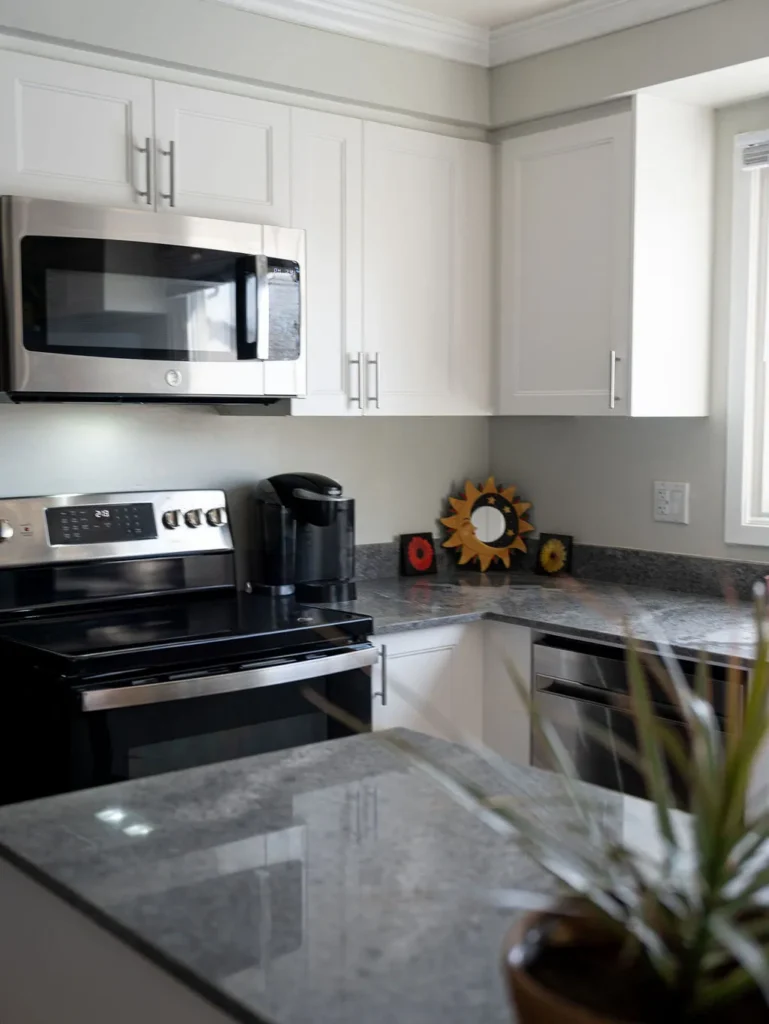
- Granite Countertops: Natural, heat- and scratch-resistant, and very durable; requires periodic sealing.
- Quartz Countertops: Engineered stone with resin; non-porous, stain- and bacteria-resistant, available in many colors and patterns.
- Laminate Countertops: Budget-friendly, easy to clean, available in many designs; less resistant to heat and impact than stone.
- Solid Surface Countertops: Acrylic/polyester blend that offers seamless joins, easy repairs, and flexible shaping for custom designs.
Kitchen Wholesale carries a range of affordable countertops; London-area customers can view options and promotions at Kitchen Wholesale London.
How Do Quartz, Granite, and Laminate Compare?
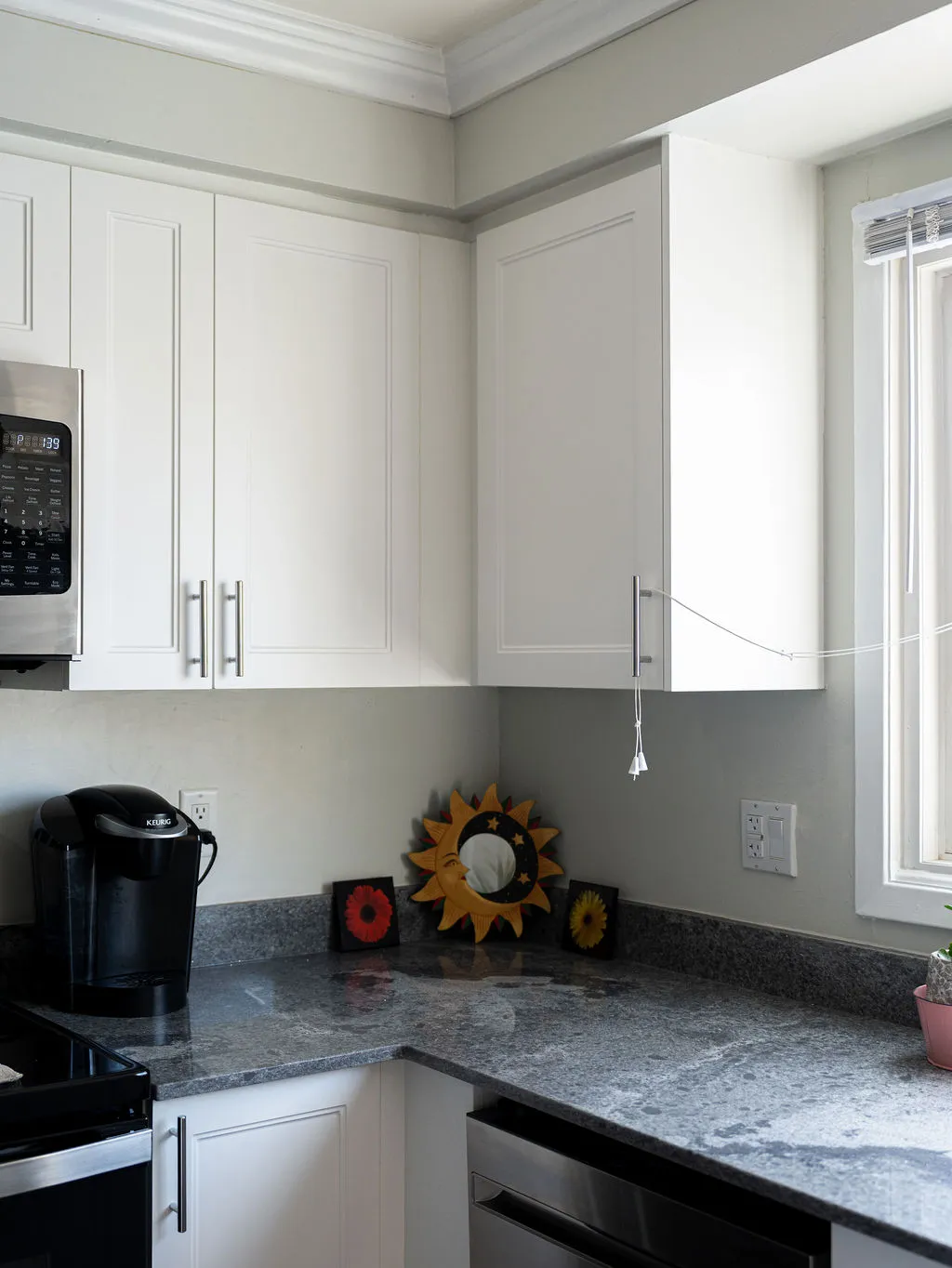
Compare durability, cost, and maintenance to choose the best fit.
- Durability: Granite is extremely hard; quartz is engineered to resist scratches and stains; laminate is more prone to chips and scratches.
- Cost: Granite: roughly $40–$100/ft²; quartz: $50–$150/ft²; laminate: $10–$50/ft².
- Maintenance: Granite needs sealing every few years; quartz is low-maintenance and doesn’t require sealing; laminate should be protected from heat and sharp objects.
These differences help match material to use and budget.
What Are the Benefits of Eco-Friendly Countertop Materials?
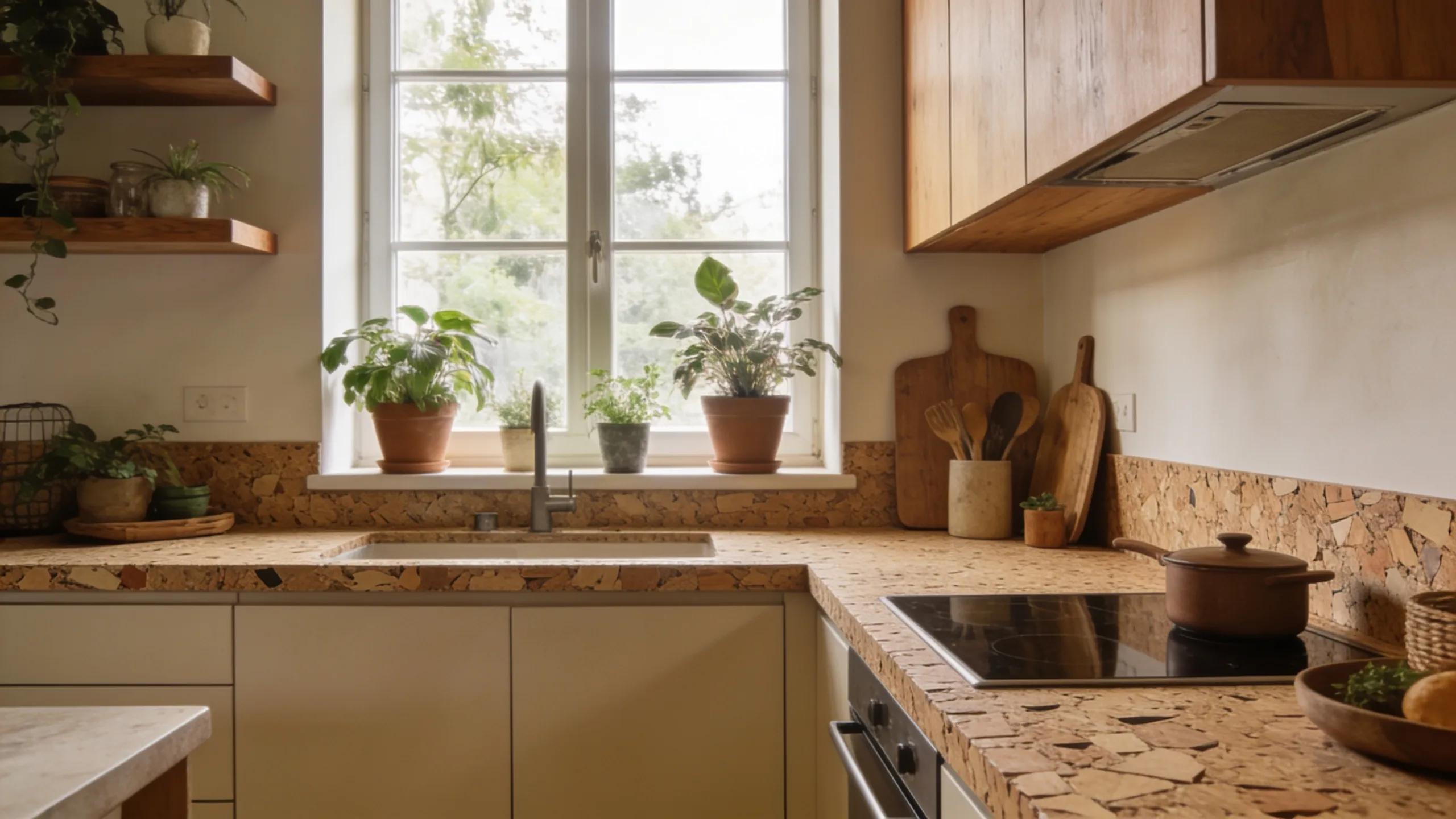
Sustainable materials reduce environmental impact while offering durable, attractive options.
- Sustainability: Options made from recycled or responsibly sourced materials lower environmental cost.
- Aesthetic Appeal: Eco materials can have unique patterns and colors for creative designs.
- Durability: Many sustainable products are built to last, reducing replacement needs.
Choosing eco-friendly countertops supports environmental goals and kitchen style.
How to Choose the Best Kitchen Countertop for Your Renovation?
Decide based on these key factors:
- Durability: For busy kitchens, choose harder materials like granite or quartz.
- Cost: Set a budget including material and installation to narrow options.
- Aesthetic Fit: Consider color, texture, and style to ensure cohesion with cabinets and finishes.
- Maintenance: Select a surface that fits your willingness to seal or perform upkeep.
Balancing these points helps you pick a countertop that meets practical and design objectives.
What Factors Affect Countertop Durability and Design?
Durability and design depend on material properties, maintenance, and chosen finishes.
- Material Properties: Hardness, porosity, and composition determine wear resistance.
- Maintenance: Regular cleaning and sealing (when needed) extend service life.
- Design Considerations: Edge profiles, finishes, and joint types affect function and aesthetics.
Consider these when selecting a material and profile.
How Does Cost Influence Your Countertop Selection?
Cost guides material choice and project scope.
- Budget: Establish a clear budget covering materials and installation to avoid surprises.
- Price Ranges: Natural stone and engineered stone are pricier than laminate.
- Cost-Effective Choices: Alternate materials or high-quality laminate can deliver desired looks at lower cost.
For larger projects or advice, contact Kitchen Wholesale.
What Are the Typical Costs and Installation Considerations for Kitchen Countertops?
Costs vary by material and fabrication complexity.
Use the table to estimate material and installation budgeting.
How Much Does Kitchen Countertop Installation Cost?
Installation costs depend on material weight, complexity, and required features.
- Materials: Heavy stone requires more labor and equipment, increasing cost.
- Complexity: Custom cuts, integrated sinks, or multiple seams raise price.
- Labor: Professional installers are recommended for heavier or precision work.
Plan for labor and potential extras when budgeting.
What Are the Installation Timeframes and Requirements?
Timeframes vary with material and job complexity.
- Duration: Installation can take from a few hours to several days depending on cuts and finishing.
- Tools: Professionals use specialized equipment that can affect scheduling and cost.
- Preparation: Ensure cabinets are level and ready to speed installation.
Preparing cabinets and scheduling installers ahead helps avoid delays.
How Can You Maintain and Extend the Life of Your Kitchen Countertops?
Routine care preserves appearance and longevity.
- Cleaning: Use appropriate cleaners for each material.
- Protective Habits: Use cutting boards and trivets to prevent cuts and heat damage.
- Spill Response: Wipe spills promptly to avoid stains on porous surfaces.
Regular care keeps countertops functional and attractive for years.
What Are the Maintenance Needs for Quartz, Granite, and Laminate?
Maintenance varies by material:
- Quartz: Low-maintenance—clean with mild soap and water; no sealing needed.
- Granite: Periodic sealing and pH-balanced cleaners recommended.
- Laminate: Easy to clean but avoid heat and sharp tools.
Choose a surface that matches your upkeep preferences.
What Tips Ensure Long-Term Countertop Durability?
Simple practices extend service life.
- Inspections: Repair chips or cracks early.
- Material Care: Follow manufacturer care instructions.
- Heat Protection: Always use trivets or hot pads for hot cookware.
These steps help maintain appearance and function.
Frequently Asked Questions
1. What are some eco-friendly materials for kitchen countertops?
Examples include recycled glass, bamboo, reclaimed wood, and solid surface products that incorporate recycled content—each offers different looks and environmental benefits.
2. How does humidity affect countertop materials?
Natural stones can absorb moisture if not sealed; laminate may warp with prolonged moisture exposure. Choose materials suited to local conditions and use sealing or humidity control when needed.
3. Are there countertop materials that resist bacteria?
Non-porous surfaces like quartz and many solid surface products resist bacterial growth and are easier to keep hygienic for food prep.
4. Can I install countertops myself, or do I need a professional?
DIY is possible for some materials, but professionals are recommended for heavy or complex installations to ensure correct cutting, fitting, and sealing.
5. What are the advantages of using solid surface countertops?
Solid surface tops offer seamless joins, easy repairability, and flexible shaping; they are non-porous and suitable for hygienic food preparation.
6. How do trends in kitchen designs influence countertop choices?
Trends shape finish and color choices—modern kitchens often favor quartz while rustic schemes may prefer natural stone or reclaimed wood. Consider trends alongside long-term appeal.
7. What should I consider when matching countertops with cabinets?
Match color, texture, and style for cohesion. Contrast light counters with dark cabinets for drama, or use similar tones for a unified look; account for backsplash, flooring, and appliances.