
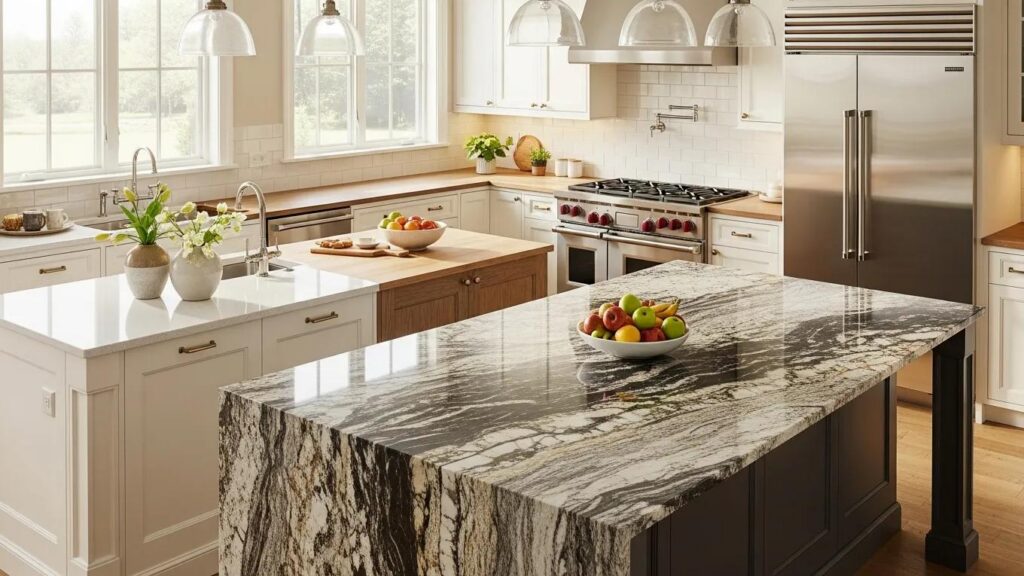
Best Countertop Materials for Your Dream Kitchen: Expert Guide to Selection and Installation
By Andrei Scvortov, Kitchen Wholesale
Selecting the right countertop material shapes both the function and look of your kitchen. This guide summarizes the main options, their properties, installation needs, and maintenance considerations to help you balance durability, style, and budget.
Expert Recommendations
Several materials stand out for durability, appearance, and maintenance characteristics. Common, high-performing options include:
- Granite Countertops: Durable, heat- and scratch-resistant with natural variation that suits active kitchens.
- Quartz Countertops: Engineered and non-porous, quartz resists stains and bacteria and is available in many consistent colors and patterns.
- Laminate Countertops: Affordable and available in many finishes; easy to clean but generally less durable than stone.
- Solid Surface Countertops: Provide a seamless appearance, are straightforward to maintain, and can be repaired if scratched.
Each material offers distinct benefits and suits different design priorities and use cases.
Installation Tips
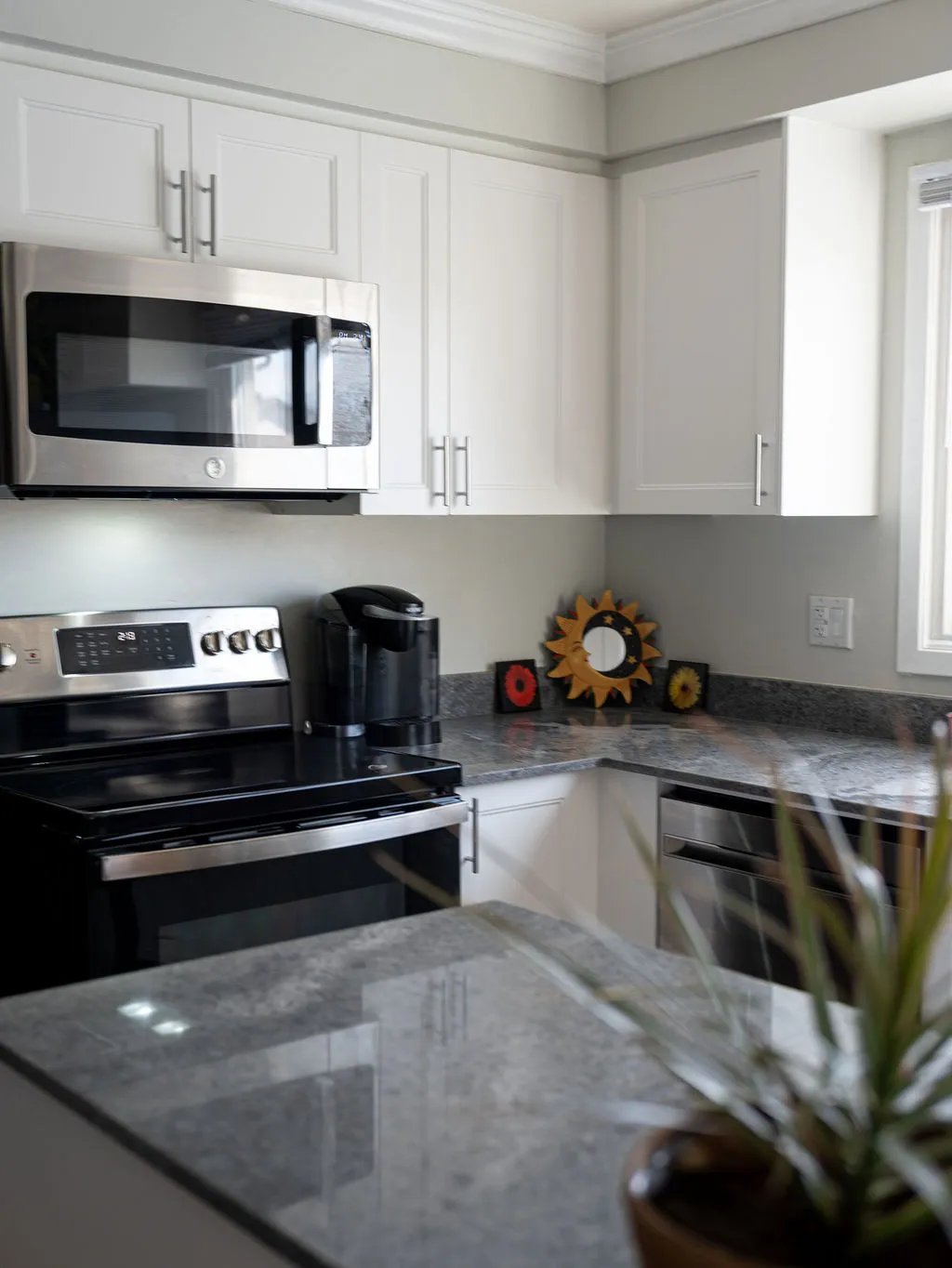
Accurate planning is essential for a professional fit and finish. Key points to address during installation include:
- Templating Accuracy: Measure precisely and create templates from the exact cabinet dimensions to avoid gaps.
- Seam Placement Considerations: Position seams where they are least visible to preserve the surface look.
- Edge Profile Selection: Pick an edge profile that matches your design and use—simple edges are practical; decorative edges add style.
Following these steps improves appearance and function and reduces rework.
Considerations for Durability, Aesthetics, and Maintenance
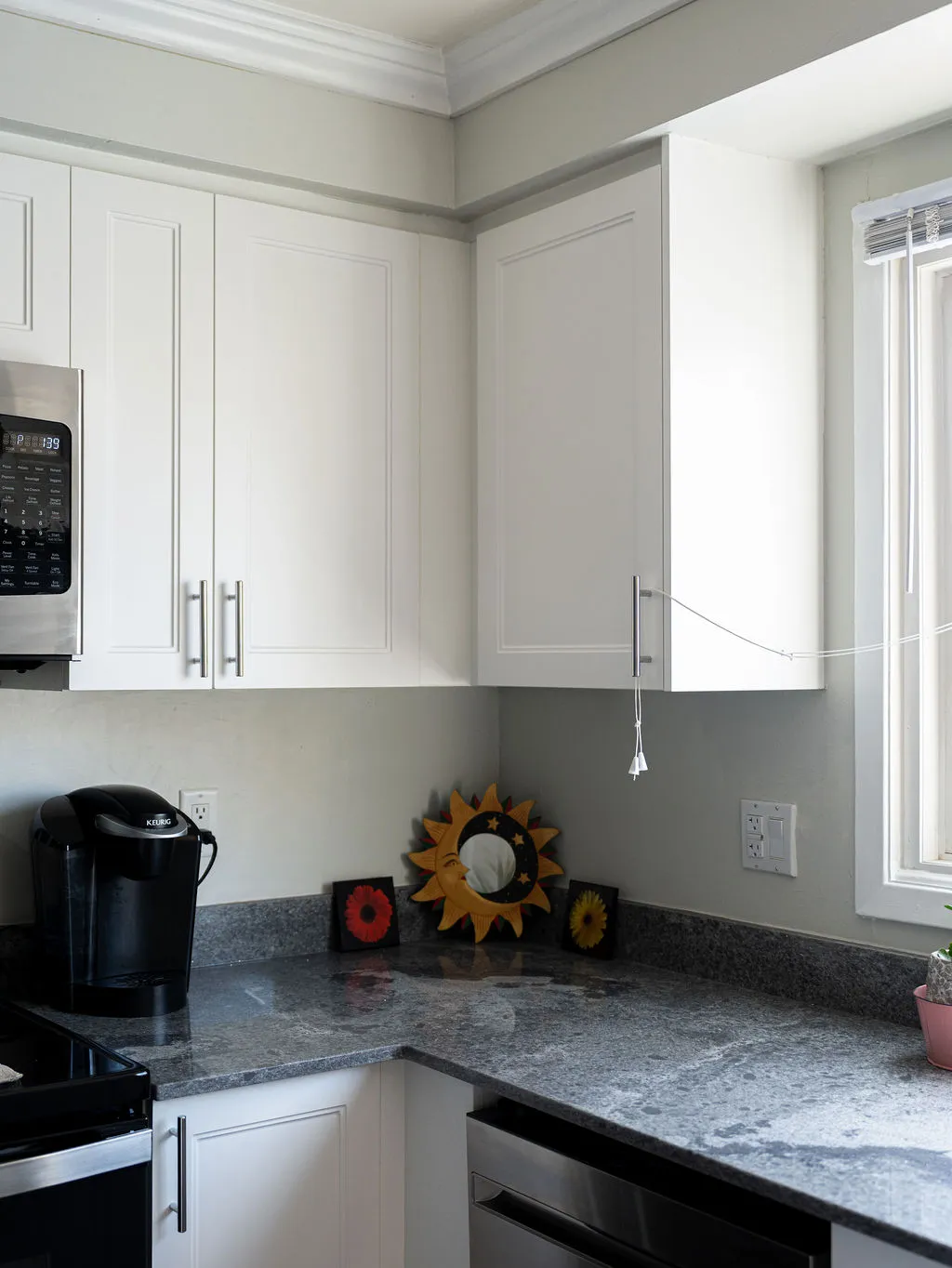
Weigh durability, appearance, and upkeep when choosing a material. The table below summarizes these factors:
Granite and quartz deliver superior durability; laminate is cost-effective; solid surface materials offer a balance of durability and repairability. Consider how each material fits your lifestyle and design goals.
What Kitchen Countertop Materials Offer the Best Durability and Value?
Granite and quartz are top choices for long-term value. Granite resists heat and abrasion; quartz’s engineered, non-porous surface improves stain resistance with lower sealing needs.
What Are the Features and Benefits of Granite Kitchen Countertops?
Granite provides unique patterns and strong heat resistance. Its durability and aesthetic appeal often add resale value, making it a strategic choice for many homeowners.
How Does Quartz Compare to Granite for Kitchen Countertops?
Both are durable; quartz is non-porous and typically easier to maintain, while granite offers natural variation and requires occasional sealing to guard against stains.
What Are the Pros and Cons of Affordable Kitchen Countertop Options?
Affordable options like laminate have clear advantages and trade-offs.
Pros:
- Cost-Effective: Laminate is significantly less expensive than stone.
- Variety of Designs: Many colors and patterns can mimic pricier materials.
- Easy Installation: Lighter weight makes laminate easier to handle.
Cons:
- Less Durable: More prone to scratches and heat damage than granite or quartz.
- Limited Lifespan: May need replacement sooner than stone options.
- Not Repairable: Damaged laminate is difficult to restore.
These points help match the material to your budget and usage. When sourcing countertops locally, compare suppliers and installation services.
What Are the Advantages and Limitations of Laminate Countertops?
Laminate is affordable with many finishes but is more vulnerable to heat and abrasion; weigh these trade-offs against cost savings.
How Do Solid Surface Countertops Balance Cost and Design?
Solid surface materials offer moderate cost with strong design flexibility: they can be formed to fit custom layouts and repaired if needed, making them practical for many households.
How Should You Approach Kitchen Countertop Installation and Maintenance?
Correct installation and routine maintenance extend countertop life. Hire a qualified installer for heavy stone; follow manufacturer care instructions and perform regular cleaning and sealing where recommended.
What Are the Recommended Installation Methods for Different Countertop Materials?
Granite and quartz usually need professional installers for cutting and support. Laminate can be a DIY project for experienced homeowners. Solid surface work benefits from specialized tools for seamless joints.
How Can You Maintain Granite and Quartz Countertops for Longevity?
Clean with mild soap and water and avoid harsh chemicals. Seal granite periodically to protect against stains; quartz typically needs less upkeep due to its non-porous finish. Contact your supplier with specific product questions.
Frequently Asked Questions
What factors should I consider when choosing a countertop material?
Consider durability, maintenance, aesthetics, heat and stain resistance, and cost to match a material to your cooking habits and style.
Are there eco-friendly countertop options available?
Yes—recycled glass, bamboo, reclaimed wood, and recycled composites are options; check manufacturer certifications for sustainability claims.
How do I choose the right color and pattern for my countertops?
Match color and pattern to the kitchen palette. Neutrals offer timeless backdrops; bold choices become focal points. Request samples to view materials in your lighting.
What are the best practices for cleaning and maintaining laminate countertops?
Use mild soap and a soft cloth, avoid abrasive cleaners and hot pans, wipe spills quickly, and inspect for wear to extend service life.
Can I install countertops myself, or should I hire a professional?
DIY is feasible for laminate with the right tools and skill; granite and quartz typically require professional installation to ensure safety and fit.
What are the common mistakes to avoid during countertop installation?
Avoid inaccurate measurements, poor seam placement, and neglecting overhangs—use precise templates or hire a professional to reduce risk.