
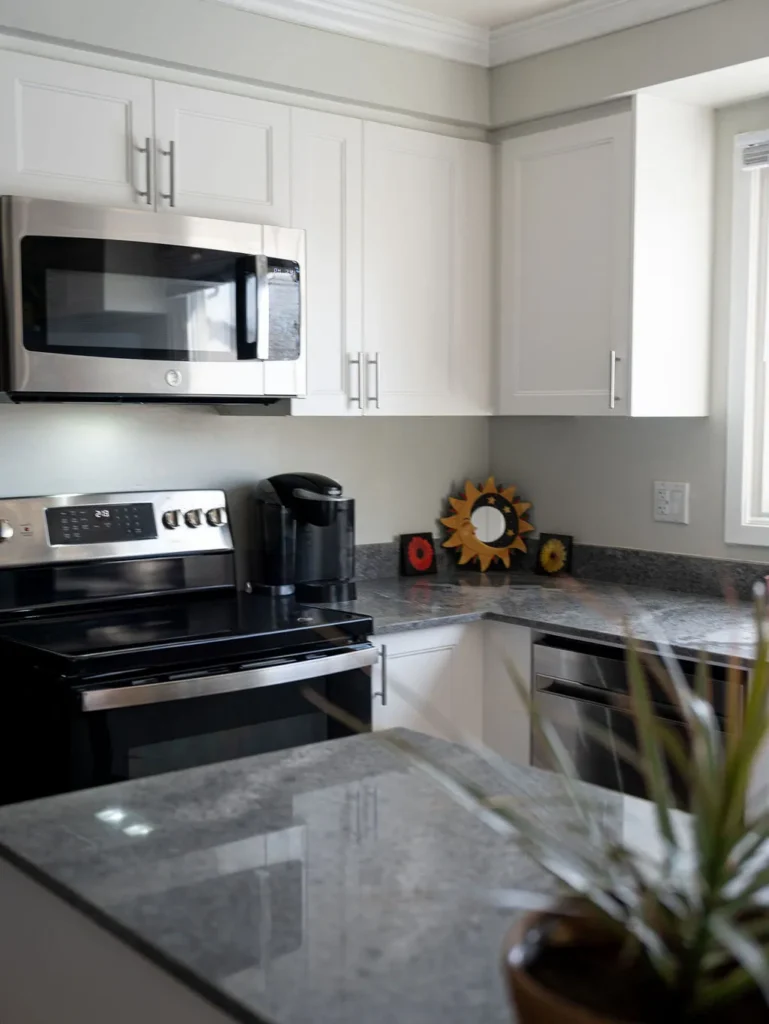
Discover the Key Differences Between Granite and Quartz Countertops: Durable and Low-Maintenance Kitchen Surface Comparison
By Andrei Scvortov, Kitchen Wholesale
Granite and quartz are top choices for kitchen countertops, each offering distinct benefits in durability, maintenance and appearance. This comparison helps you choose the right surface for your needs and style.
Granite is a natural stone known for longevity and veining. Quartz is engineered from quartz crystals and resins for a more consistent look. This guide covers composition, performance, pros and cons. For local options in London, please visit our London blog.
Durability:
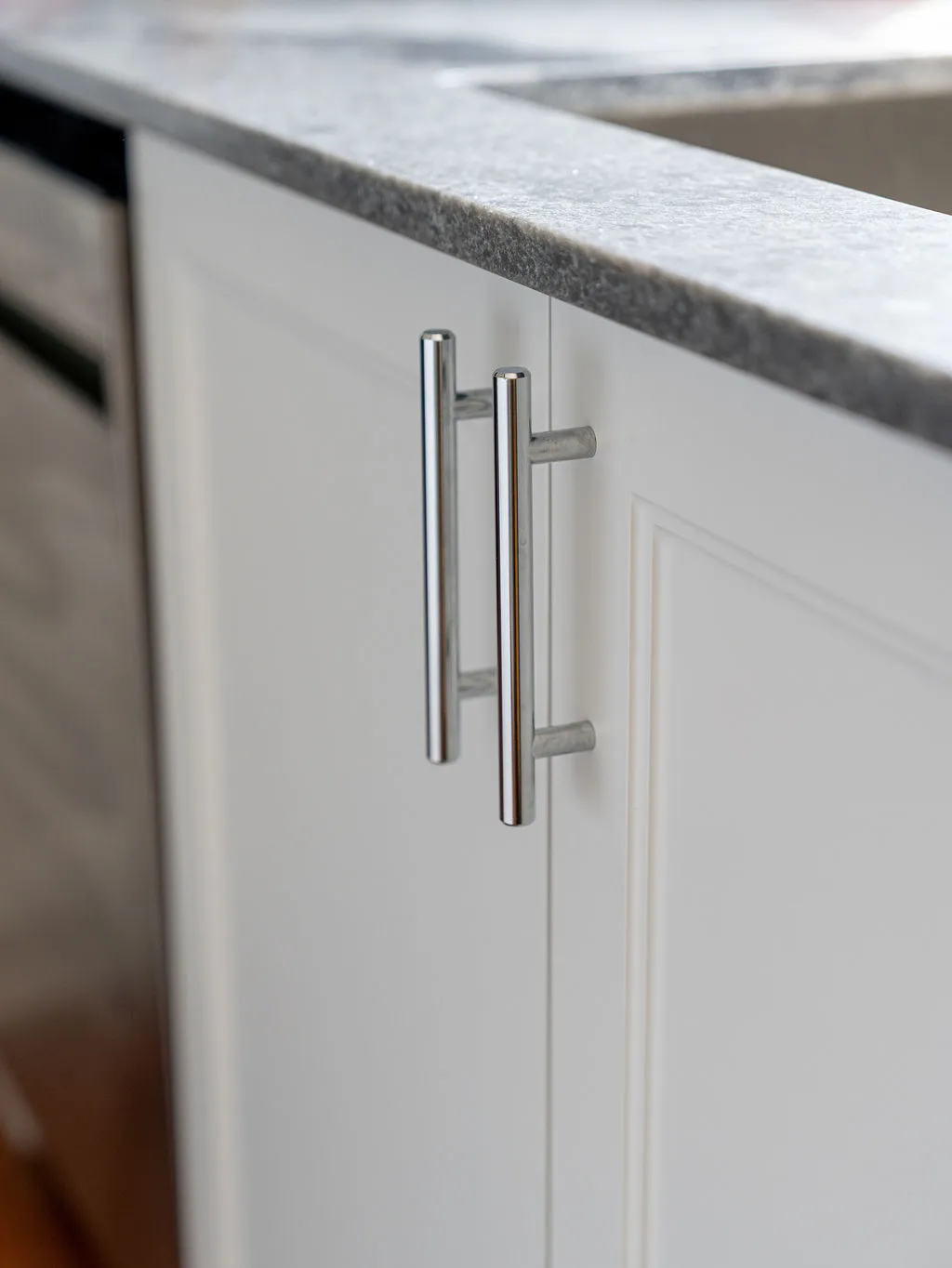
Granite is resilient and fits busy kitchens but is porous and needs sealing to prevent stains. Quartz is non-porous and easier to maintain. Porosity is a key difference in long-term care.
Durability and Natural Beauty of Stone Kitchen Surfaces
Stone surfaces remain a popular choice in kitchen design due to their durability and aesthetic appeal. Natural stone forms deep within the earth over millennia, producing slabs with unique patterns and colours. Research from the Natural Stone Institute reports that materials such as granite, marble and quartzite are valued for their strength and longevity; with proper care they can last for decades. Compared with lower-cost alternatives that require replacement after a short period, stone surfaces often represent a sound long-term investment. They also complement a wide range of kitchen styles, from modern to traditional and farmhouse.What to Know Before Buying Stone Surfaces for Your Kitchen, 2026
The Natural Stone Institute notes granite’s long-term value and continued popularity in kitchen design.
Maintenance Requirements:
Maintenance varies: granite usually needs sealing every 1–3 years; quartz needs only routine cleaning with soap and water. Match maintenance to your lifestyle when selecting a countertop.
Overall Suitability:
Choose granite for unique, natural variation; quartz for uniform, low-maintenance finishes. Base the decision on your design goals and how much upkeep you’ll accept.
What Are Granite and Quartz Countertops? Material Composition and Characteristics
Granite and quartz differ in origin and construction. Granite is an igneous rock formed over millennia. Engineered quartz typically contains about 90–95% crushed quartz combined with resins and pigments, giving controlled colours and predictable performance.
Material Composition:
Granite’s mix of quartz, feldspar and mica gives strength and varied looks. Quartz countertops are made from natural quartz particles and synthetic binders, producing a consistent, non-porous surface that resists staining.
Unique Characteristics:
Granite’s natural variation adds depth and visual interest for statement installations. Quartz delivers a more uniform appearance and a broader palette of engineered colours, which suits contemporary and minimalist schemes.
Advantages:
Granite provides strong heat resistance and robust durability for active cooking. Quartz is low-maintenance, stain-resistant and simpler to clean.
Disadvantages:
Granite requires periodic sealing and can chip under impact. Quartz often carries a higher upfront cost and large repairs may be harder to match to the original finish.
How Do Granite and Quartz Countertops Compare in Durability and Maintenance?
Granite is strong but needs sealing to prevent stains and moisture absorption. Quartz is non-porous and requires only standard cleaning, which reduces routine maintenance time and related costs.
What is granite countertop durability and heat resistance?
Granite tolerates heat and short contact with hot cookware, though trivets are recommended to protect the finish and preserve appearance over time.
How to maintain quartz countertops for long-lasting use?
Clean quartz with mild soap and water and avoid abrasive cleaners or harsh chemicals that could dull or damage the surface.
What Are the Cost Differences and Value of Granite vs. Quartz Countertops?
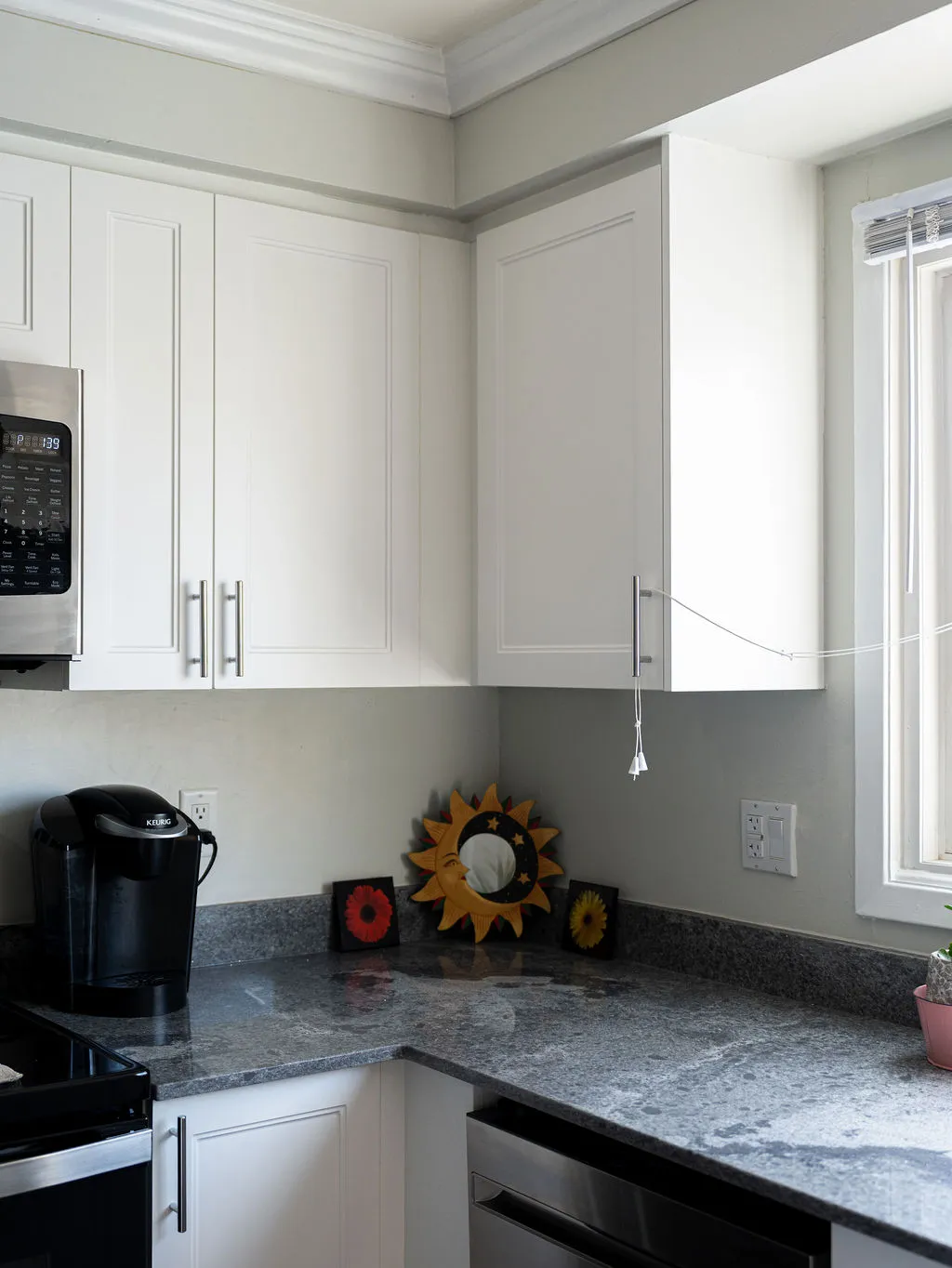
Granite typically costs less upfront than quartz, though prices vary by grade and rarity. Quartz generally has a higher purchase price but may lower lifetime maintenance costs because it is non-porous.
How does granite countertop cost compare to quartz?
Granite can be more affordable at purchase, but sealing and maintenance add to lifetime costs. Quartz’s higher initial cost may be justified if minimal upkeep is a priority.
What are the long-term value and warranty considerations?
Both materials offer long service lives when cared for: granite can exceed 30 years, while quartz commonly lasts 20–30 years. Many quartz manufacturers provide warranties covering material defects. For project inquiries, you may contact us.
Which Design and Environmental Factors Influence Choosing Granite or Quartz?
Design and environmental factors matter. Granite creates distinctive natural focal points; quartz production can include recycled content and controlled processes that may reduce environmental impact. Check supplier practices and certifications for details.
What design and color options are available for granite and quartz?
Both materials offer extensive choices. Granite provides natural colour variation and veining that pairs with many cabinet and flooring options. Quartz is available in a wide engineered spectrum of colours and consistent patterns for coordinated designs.
How do granite and quartz countertops impact environmental sustainability?
Environmental impact depends on sourcing and production. Granite quarrying affects local ecosystems; quartz manufacturing can incorporate recycled materials and reduce waste. Evaluate product origins and certifications to assess sustainability.
Frequently Asked Questions
1. Are granite countertops suitable for outdoor use?
Yes. Granite suits outdoor conditions and temperature extremes, though prolonged UV exposure can fade some finishes. Use an exterior sealant and select durable colours and finishes to extend service life.
2. How do granite and quartz countertops compare in terms of heat resistance?
Granite offers superior heat resistance compared with quartz. Quartz contains resins that make it less tolerant of extreme heat; use trivets or pads to protect quartz surfaces.
3. Can I repair chips or scratches on granite or quartz countertops?
Minor chips and scratches can be repaired. Granite repairs usually involve filling and polishing by a professional. Quartz repairs are possible but can be more complex; large repairs often require professional work to match the finish.
4. What is the lifespan of granite compared to quartz countertops?
With proper care, granite can last more than 30 years; quartz commonly endures 20–30 years. Both are durable when maintained according to manufacturer and industry recommendations.
5. What should I consider when choosing a countertop color and style?
Consider cabinet finishes, flooring, backsplash and lighting. Granite’s natural patterns create focal points; quartz’s uniformity suits modern interiors. Lighter tones can make a space feel larger, while darker tones add warmth and contrast.
6. Are there any health concerns related to granite and quartz countertops?
Both materials are generally safe for kitchen use. Some granite can emit very low radon levels, typically below health concern thresholds. Quartz is non-porous and resists bacterial growth; routine cleaning and proper installation maintain a hygienic surface.
7. How do I choose between granite and quartz based on my cooking habits?
Match the surface to your habits: choose granite for high-heat, intensive cooking; choose quartz for low-maintenance, stain-resistant surfaces. Consider your routine and how much maintenance you’re willing to perform.