
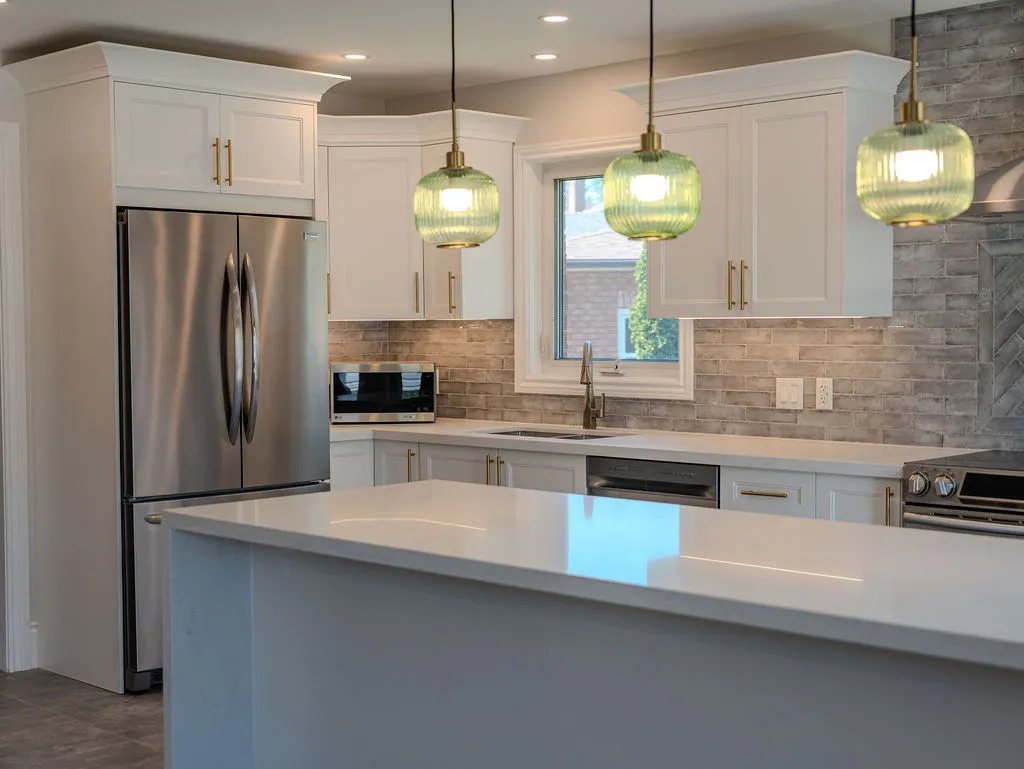
How to Choose the Best Kitchen Cabinets for Your Home: A Professional Guide to Styles, Materials, and Installation
By Andrei Scvortov, Kitchen Wholesale
Choosing kitchen cabinets shapes both the look and the daily function of your kitchen. This guide outlines practical considerations—style, materials, finishes, budget, and installation—so you can make a clear, informed decision that meets your needs and aesthetic goals.
Assess Your Needs and Style
Start by listing how you use the kitchen and what storage or design changes you need. Decide whether storage, a modern appearance, or a traditional look is the priority. Match cabinet style to your home—Shaker works well in traditional settings; flat-panel suits modern interiors—and choose colours and finishes that support your overall scheme.
Choose the Right Materials
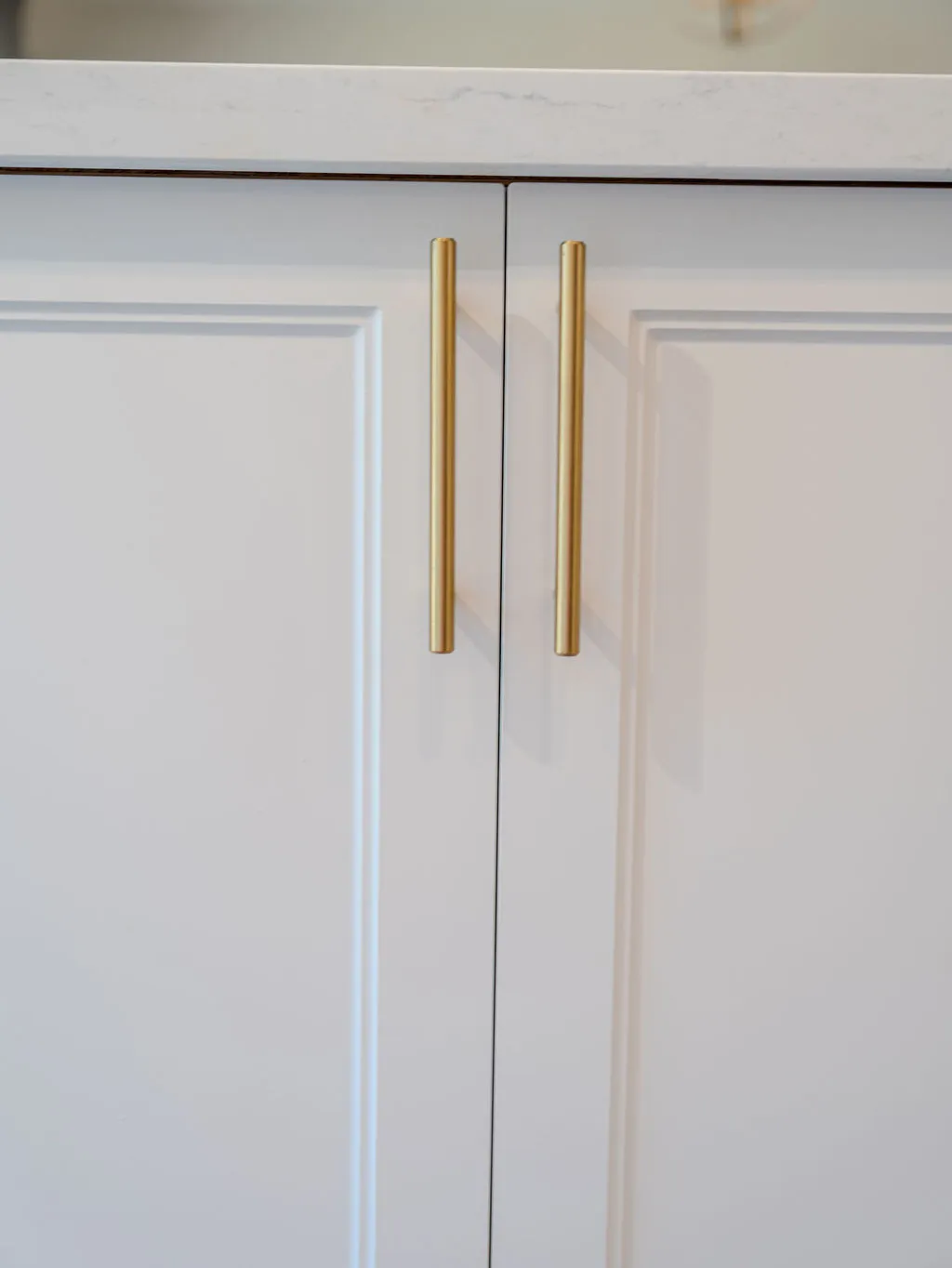
Material affects durability, appearance, and price. Solid wood is durable with a classic look; MDF is cost-effective and resistant to warping; bamboo and reclaimed materials offer more sustainable choices. Consider lifespan, maintenance, and how each option fits your budget.
Balance the desired look, expected lifespan, and budget. If longevity is essential and funds allow, solid wood pays off. For lower cost or eco-priority projects, MDF or bamboo are valid alternatives. Local or specialised suppliers can offer tailored options and better value.
Select Finishes and Hardware
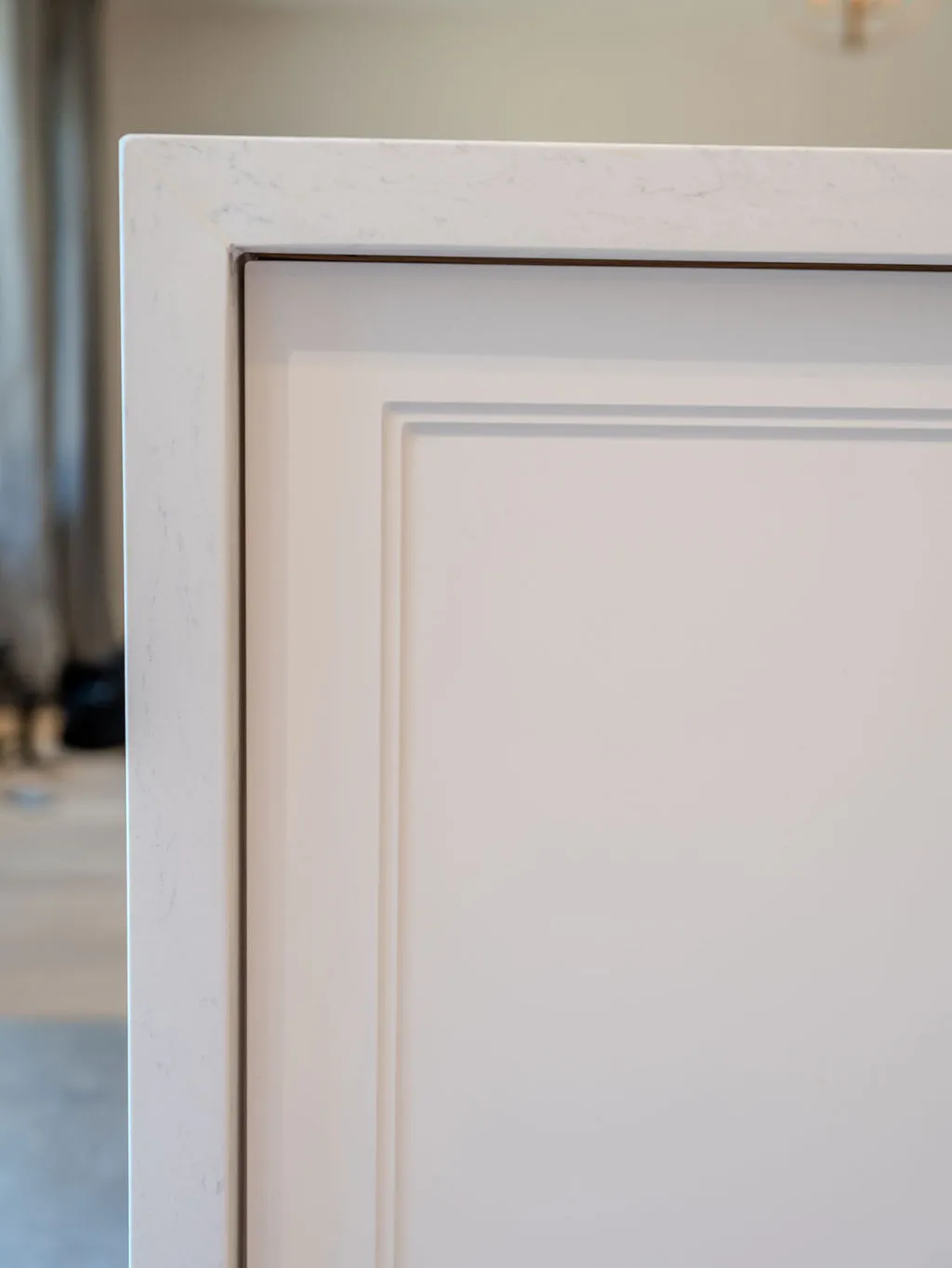
Finishes (paint, stain, laminate) and hardware (hinges, handles) define style and usability. Choose durable hardware and finishes suited to your maintenance tolerance—darker colours often show dust and fingerprints sooner than lighter shades—and ensure finishes are compatible with the material.
Budgeting
Set a clear cabinet budget before selecting products. Allocate a portion of the renovation budget to cabinets and factor in differences by style and material. Stock cabinets are generally less expensive than custom builds.
- Allocate Budget Percentage: Aim to spend about 20-30% of your total kitchen renovation budget on cabinets.
- Cost Implications of Styles: Custom cabinets are typically more expensive than stock or semi-custom options.
- Budget-Friendly Options: Look for sales or consider purchasing from retailers that offer affordable kitchen solutions.
With a budget in place, shortlist options that meet financial constraints while matching your design goals. Direct discussions with suppliers often yield practical cost-saving advice for larger projects.
Installation Techniques
Proper installation ensures cabinets perform and appear as intended. You can hire professionals for secure, level installation that avoids future problems, or install yourself if you have precise measurements and follow manufacturer instructions exactly.
What Are the Most Popular Kitchen Cabinet Styles and Designs?
Popular styles include Shaker (clean, versatile), flat-panel (modern, minimal), and raised-panel (traditional, detailed). Each style sets a different tone and should align with your overall home aesthetic.
How Do Cabinet Designs Impact Kitchen Functionality and Aesthetics?
Design choices affect usability and the room’s look: deeper drawers increase accessibility, open shelving opens the space visually, and colour or finish choices either harmonise with or contrast the rest of the kitchen.
Utilize Design Consultation Services
Design professionals help optimise layouts, select suitable materials, and visualise final results. A consultation can save time, reduce costly mistakes, and help ensure the design meets both functional and aesthetic needs.
Consider Trends and Innovations
Recent trends include smart storage systems, multifunctional layouts, and sustainable materials. These options improve utility and help create a contemporary kitchen while addressing environmental concerns.
Maintenance and Care
Regular maintenance prolongs cabinet life. Inspect for wear, clean with mild products, and avoid harsh chemicals. Follow material-specific care recommendations to preserve finishes and hardware.
These guidelines will help you choose cabinets that balance function, style, and budget. Retailers and wholesale suppliers can provide ranges that suit cost-conscious buyers and large renovation projects alike.
Frequently Asked Questions
What factors should I consider when measuring for kitchen cabinets?
Measure the installation area precisely—height, width, and depth—and mark window, door, appliance, plumbing, and electrical locations. Double-check measurements and create a detailed layout that reflects how cabinets will be arranged.
How can I ensure my kitchen cabinets are environmentally friendly?
Choose sustainably sourced materials like bamboo or reclaimed wood, and use low-VOC finishes and adhesives. Look for recognised certifications (for example, FSC) and work with suppliers that prioritise eco-friendly practices.
What are the benefits of hiring a professional for cabinet installation?
Professionals ensure cabinets are level, securely mounted, and properly aligned. Their experience helps prevent mistakes, manage unforeseen issues, and speeds up the project for a reliable, long-lasting result.
How do I maintain and clean my kitchen cabinets effectively?
Use a soft cloth and mild detergent for routine cleaning; avoid abrasives. For wood, apply a suitable conditioner periodically. Inspect for loose hardware or damage and address problems promptly to maintain cabinet quality.
What are some current trends in kitchen cabinet design?
Trends include bold colours, mixed materials, open shelving, pull-out storage, and concealed compartments. Sustainable materials and eco-conscious finishes remain in demand to pair modern looks with environmental priorities.
Can I customize my kitchen cabinets, and what are the options?
Yes—cabinet dimensions, style, material, finish, and hardware are commonly customised. Additional options include specialised storage, mouldings, and bespoke layouts. Custom cabinets cost more but deliver a tailored solution for optimising space and style.