
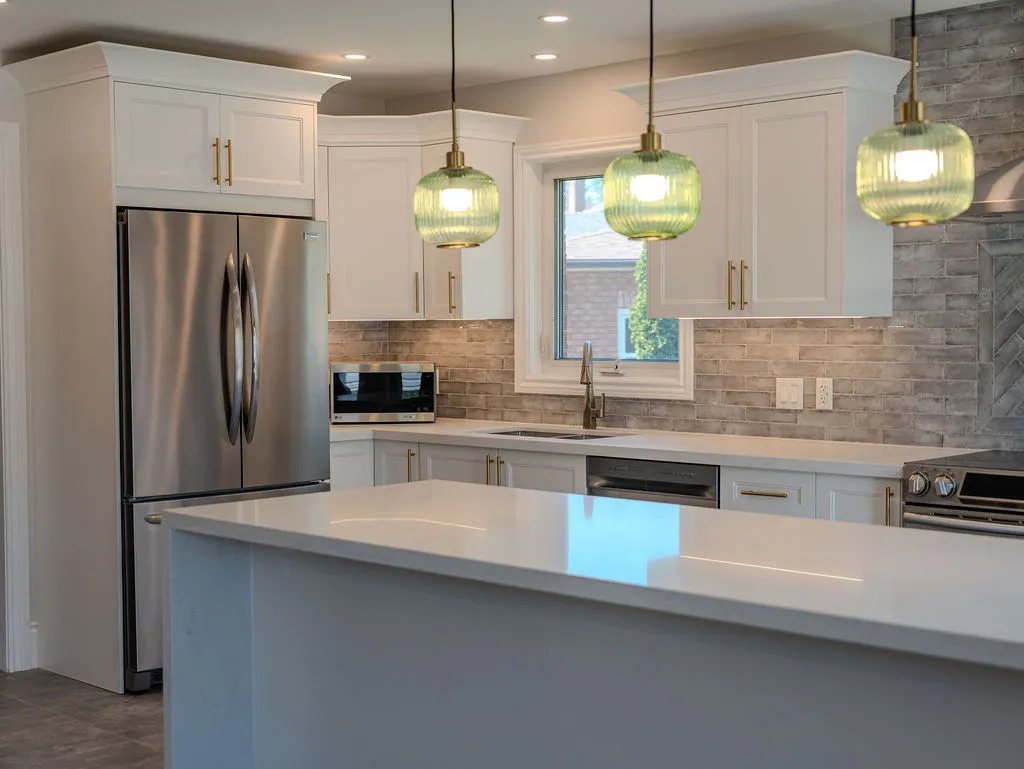
Unlock the Benefits of Custom Kitchen Cabinet Design: Affordable Ideas and Expert Guidance
By Andrei Scvortov, Kitchen Wholesale
Custom kitchen cabinet design lets homeowners build a personalised, functional space that fits their lifestyle and budget. This guide highlights affordable approaches, professional guidance for consultations, and practical tips for implementation. Read on for design considerations, the main advantages of custom versus ready-made cabinets, and simple ways to compare costs. For local suppliers and services, see local options.
Affordable Ideas
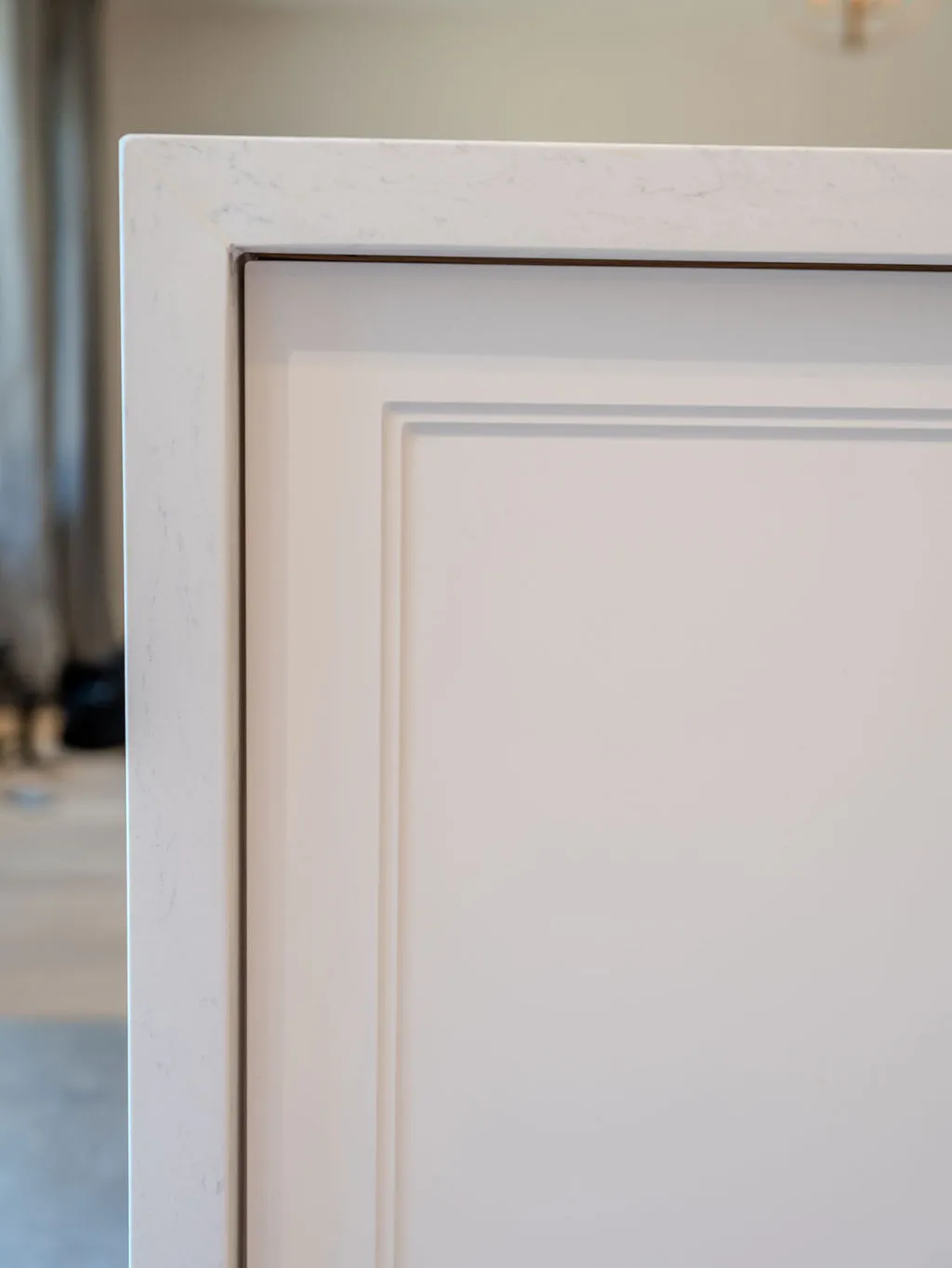
If budget is a concern, there are practical ways to lower costs without losing style or function.
- Material Selection: Choose cost-effective materials (laminate, MDF, or engineered plywood) that mimic premium looks at lower prices.
- Modular Designs: Use modular or semi-custom systems to get a tailored fit with less fabrication expense.
- DIY Finishing Touches: Save on labour by painting or staining surfaces yourself, and swap hardware for a refreshed look.
Kitchen Wholesale provides consultations to match materials and designs to your budget.
Affordable Custom Kitchen Cabinets: Materials and Fabrication
The cited manual notes that segments of the cabinet industry — including local suppliers, custom fabricators and counter producers — often employ simple, inexpensive materials that are readily available. Adaptable housing: a technical manual for implementing adaptable dwelling unit specifications, 1987
Expert Guidance
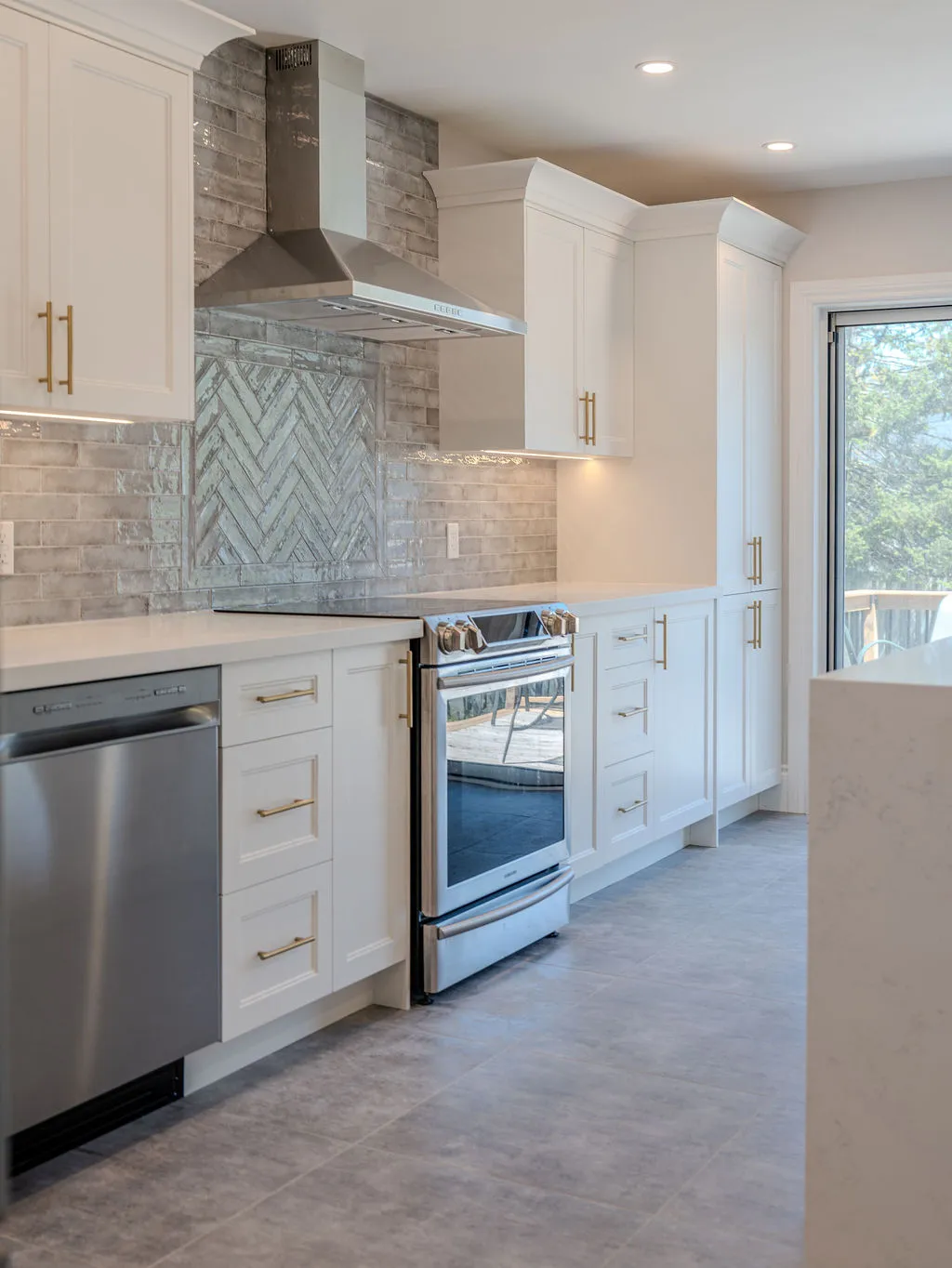
Working with experienced designers streamlines decisions and avoids costly mistakes.
- Engaging with Design Professionals: Designers help translate goals into practical layouts and select appropriate materials and hardware.
- Utilizing 3D Renderings: Renderings let you visualise the layout, finishes and traffic flow before fabrication begins.
- Initial Consultation Process: A good consultation defines needs, constraints and a realistic budget to guide the project.
Professional consultations from Kitchen Wholesale help ensure cabinets meet both function and aesthetic goals.
Evolution of Kitchen Design: Customization vs. Utility
Kitchen design has evolved from a functional task to an interdisciplinary field that affects occupant well‑being and social interaction. Designers must balance aesthetic customisation with functional constraints, yet the discipline lacks a unified competency framework linking design vision to implementation‑oriented technical knowledge. Addressing Interdisciplinary Professional Gaps: A Study on the Competency Model for Kitchen Cabinetry and Space Designer, 2026
Design Considerations
Key factors when planning custom cabinets include space optimisation, cohesive aesthetics, and user-friendly functionality. Aim to maximise storage without crowding the kitchen, choose finishes that suit the room, and incorporate hardware and storage solutions that simplify daily tasks.
Practical Implementation Tips
Careful planning and quality installation produce durable results.
- Budget Allocation: Set a clear budget early and prioritise must-have features.
- Quality Standards: Invest in durable materials and reliable joinery to reduce long-term costs.
- Installation Tips: Use qualified installers or follow manufacturer instructions closely for a secure fit.
What Are the Key Advantages of Custom Kitchen Cabinets?
Custom cabinets offer benefits not usually available from stock units.
- Enhanced Functionality: Designed to fit your layout and storage needs precisely.
- Personalized Aesthetics: Choose colors, finishes and hardware that match your style.
- Increased Home Value: High-quality custom work can boost resale appeal.
How Do Custom Cabinets Enhance Kitchen Functionality?
Custom solutions make kitchens more efficient and easier to use.
- Perfect Fit: Cabinets built to exact dimensions eliminate wasted space.
- Tailored Storage Solutions: Include pull-outs, spice racks and drawer inserts where you need them.
- Design Freedom: Configure zones and workflows that match your habits.
Why Choose Custom Cabinets for Style and Durability?
Custom cabinets combine tailored style with construction choices that extend service life.
- Perfect Fit: Built-to-measure units integrate more cleanly with the room.
- Design Freedom: Select finishes and hardware that create a cohesive look.
- Superior Craftsmanship: Higher-grade materials and workmanship improve longevity.
How Much Does Custom Kitchen Cabinet Design Cost?
Prices vary by materials, complexity and labour.
- Average Pricing: Expect a broad range depending on scope; discuss local quotes to compare.
- Factors Influencing Cost: Materials, bespoke features and finish level are the main drivers.
- Budgeting Tips: Prioritise durable surfaces and the features you use most to get the best value.
Custom Kitchen Cabinet Design Systems and Cost Estimation
The research proposes a kitchen cabinet customization design system composed of three modules: a product family model, a custom design process, and cost estimation. It discusses establishing a product data model, a collaborative customization process and digital design support tools based on modularisation and adjustable factors to enable mass customisation of kitchen cabinet products. Research on mass customization kitchen cabinet products design, 2012
What Factors Influence the Price of Custom Cabinets?
Price is affected mainly by material quality, the level of craftsmanship and the complexity of the design. Discuss options with your designer to balance cost versus longevity and appearance.
- Material Choices: Solid wood, plywood and engineered boards each have distinct price and durability profiles.
- Craftsmanship: Custom joinery and refinements increase cost but improve performance.
- Design Complexity: Extra features and detailed profiles raise labour time and price.
How to Compare Costs of Custom vs. Ready-Made Cabinets?
Compare material quality, flexibility and installation needs rather than price alone.
- Material Quality: Custom often uses higher-grade materials that last longer.
- Design Complexity: Custom adapts to irregular spaces; stock cabinets are quicker but less flexible.
- Installation Costs: Custom typically needs professional fitting; some stock units are DIY-friendly.
Which Kitchen Cabinet Styles and Materials Are Best for Custom Designs?
Choose styles and materials that match your design goals and daily use.
- Modern Shaker Style: Clean lines work in many kitchens and are easy to finish.
- Solid Hardwood Materials: Durable, classic and repairable over time.
- Plywood Box Construction: Stable and resistant to warping—recommended for boxes.
What Are Popular Custom Cabinet Styles and Their Features?
Popular styles include modern shaker, transitional blends, and farmhouse looks—each with distinct hardware and finish choices to suit different interiors.
- Modern Shaker: Simple, flat panels and minimal ornamentation.
- Transitional: Mixes classic and contemporary details for flexibility.
- Farmhouse: Rustic finishes and decorative hardware for a cozy feel.
How Do Different Materials Affect Cabinet Quality and Appearance?
Material choice determines stability, finish and maintenance needs.
- Solid Wood vs. Plywood: Wood offers beauty; plywood provides structural stability for boxes.
- MDF and Laminate Options: Cost-effective with many finish choices.
- Thermofoil Characteristics: Low maintenance and easy to clean, suitable for busy kitchens.
What Does the Custom Kitchen Cabinet Design Consultation and Installation Process Involve?
The process includes consultation, measurement and professional installation to ensure a correct fit.
- Initial Consultation: Discuss needs, style and budget with the designer.
- Measurement and Design: Accurate measuring and a verified plan prevent gaps and rework.
- Installation Process: Skilled installers secure cabinets, align doors and complete finishes.
What Steps Are Included in a Professional Design Consultation?
Professional consultations follow a clear sequence that defines scope and outcomes.
- Initial Assessment: Evaluate the space and user requirements.
- 3D Design Presentation: Visualise layout and finishes before fabrication.
- Material Selection: Choose finishes and hardware that fit the design and budget.
How Are Custom Cabinets Installed Efficiently and Reliably?
Efficient installation relies on preparation, correct assembly and final inspection.
- Preparation and Delivery: Clear the area and confirm deliveries before starting.
- Cabinet Assembly: Assemble and fit units to ensure alignment and level surfaces.
- Final Inspection: Check all doors, drawers and fastenings for performance and finish.
For inquiries or to discuss your specific project needs, please contact us.
Frequently Asked Questions
What are the common mistakes to avoid when designing custom kitchen cabinets?
Avoid neglecting layout, underestimating storage needs, and prioritising looks over function. Design for movement and practical storage so the kitchen works for daily use.
How long does the custom kitchen cabinet design process typically take?
Timelines vary; a typical project runs four to eight weeks including consultation, revisions and fabrication. Confirm scheduling with your designer early.
Are custom kitchen cabinets worth the investment compared to stock options?
Custom cabinets often justify their cost through better fit, tailored storage and higher-quality materials that can increase long-term value and usability.
What maintenance is required for custom kitchen cabinets?
Wipe surfaces with a damp cloth and mild soap. For wood, apply polish periodically and check hinges and handles for tightness.
Can I modify existing cabinets instead of choosing all-new custom ones?
Refacing or refinishing existing cabinets is a cost-effective alternative; add moulding or new hardware to update appearance and function when structure permits.
What trends in custom kitchen cabinets should I consider in 2024?
Trends include matte finishes, two-tone cabinetry, eco-friendly materials and smart storage solutions like hidden compartments and pull-out organisers.