
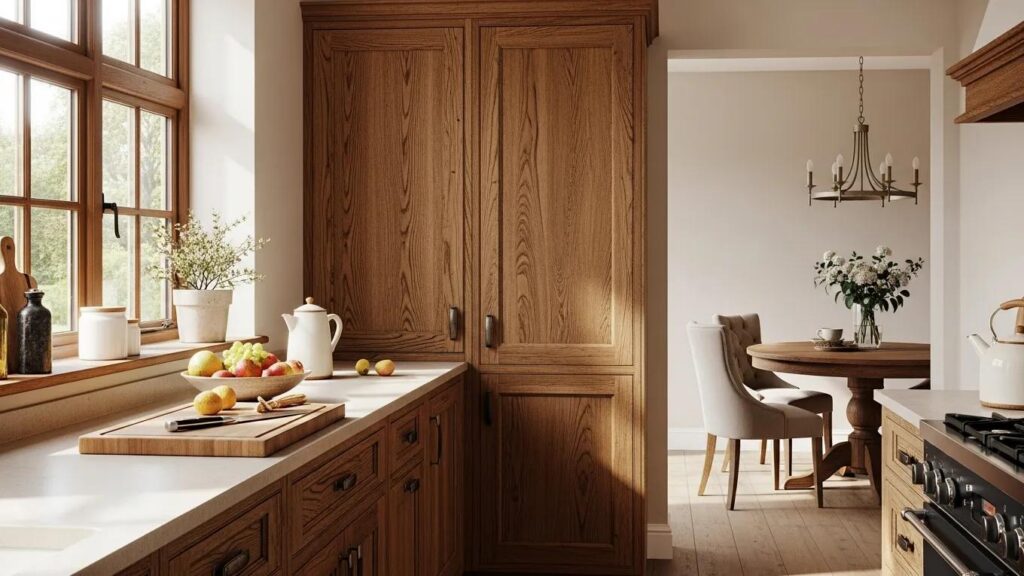
Why Solid Wood Kitchen Cabinets Are the Top Choice for Durable and Affordable Kitchen Solutions
By Andrei Scvortov, Kitchen Wholesale
Solid wood kitchen cabinets are prized for durability, appearance and long-term value. Made from natural timber, they enhance kitchen aesthetics and resist daily wear. This article covers benefits, common species, comparisons with plywood, and care tips.
What Are the Key Benefits of Choosing Solid Wood Kitchen Cabinets?
Solid wood cabinets often justify selection for kitchen renovations.
- Durability and Longevity: Solid wood cabinets are built to last and often outlive alternatives. Their natural strength and resistance to daily use make them reliable for busy kitchens.
- Aesthetic Appeal: The unique grain patterns and rich colours of solid wood add warmth and character, suiting styles from traditional to modern.
- Cost-Effectiveness: Although initial costs can be higher, durability and potential resale value can make solid wood cabinets a sensible long-term investment.
For quality kitchen solutions, Kitchen Wholesale offers solid wood cabinets to suit varied needs and preferences.
How Does Durability Make Solid Wood Cabinets a Reliable Option?
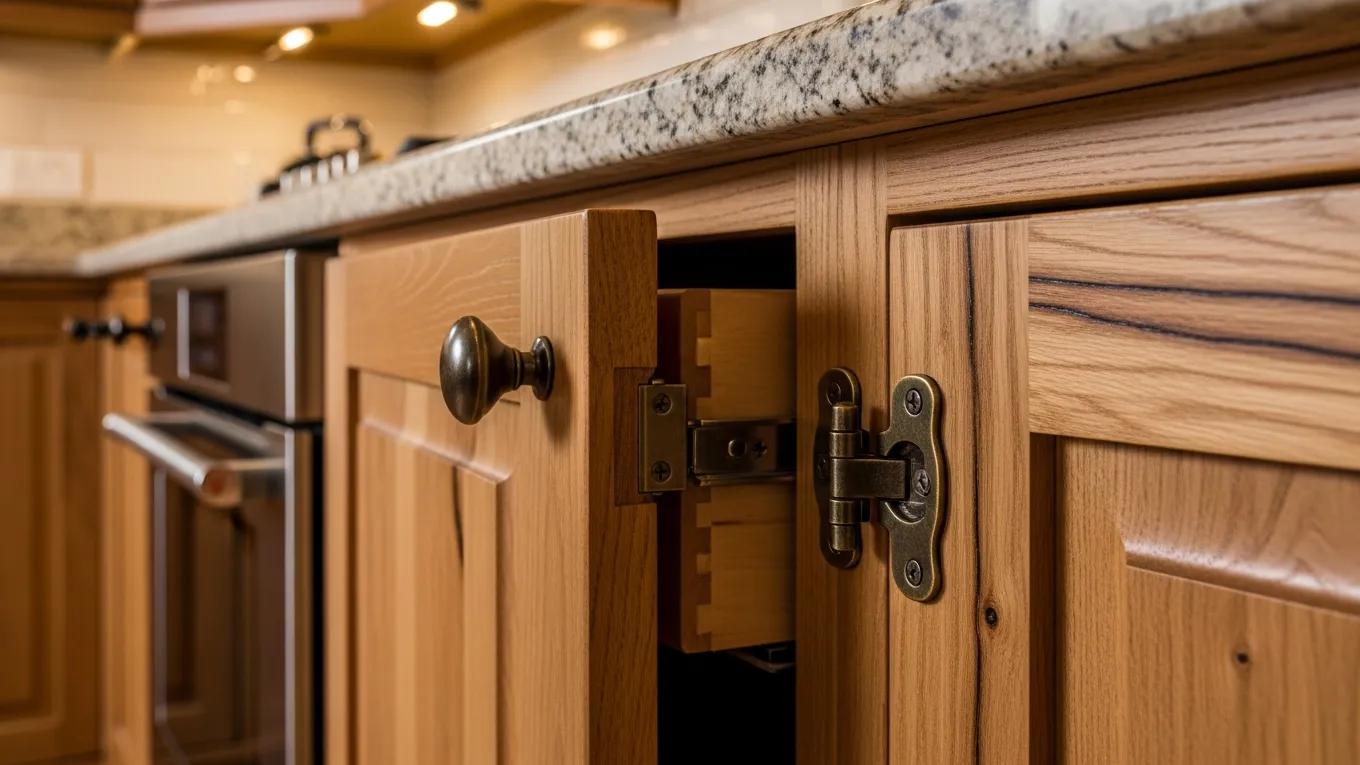
Solid wood’s strength reduces warping and cracking compared with many engineered materials. It resists impact and moisture and can be refinished multiple times to restore appearance and function, supporting long-term use.
In What Ways Do Solid Wood Cabinets Enhance Kitchen Aesthetics?
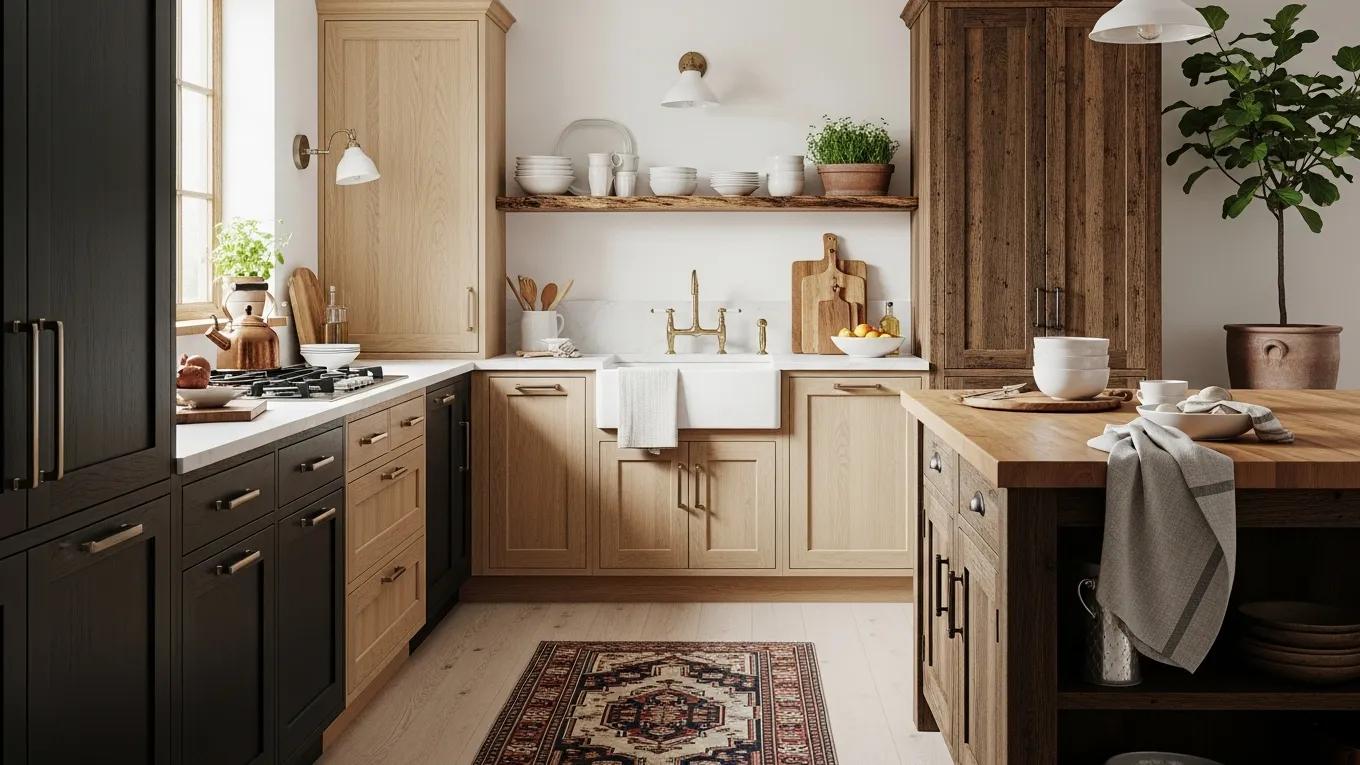
Natural grain variation and colour depth give each cabinet unique character. Finishes and stains allow looks from rustic to contemporary and can improve resale appeal.
Which Wood Types Are Most Commonly Used in Solid Wood Kitchen Cabinets?
Common species include oak, maple and cherry; each offers distinct durability, appearance and price points.
What Are the Durability Characteristics of Maple, Oak, and Cherry Woods?
Oak is very strong and wear-resistant, suitable for high-traffic kitchens. Maple has a smooth surface and good scratch resistance, practical for family use. Cherry is pricier but develops a rich patina and retains its appeal over time.
How Do Different Wood Species Affect Cabinet Cost and Appearance?
Species choice affects cost and look: oak is generally economical, cherry commands a premium, and maple balances cost and appearance. Match the species to your budget and desired finish.
How Do Solid Wood Cabinets Compare to Plywood Cabinets in Terms of Quality and Cost?
Solid wood generally offers superior durability and visual appeal. Plywood can be a lower-cost option but may not equal solid wood’s long-term resistance to wear and its refinishing potential.
What Are the Advantages of Solid Wood Over Plywood Cabinets?
Solid wood is more readily repairable and can be refinished to restore appearance. It provides a timeless aesthetic and typically retains value better. For expert guidance or bespoke solutions, Contacting a specialist can help evaluate options.
Are Solid Wood Cabinets Worth the Investment Compared to Alternatives?
Although initial costs may be higher, solid wood cabinets can be cost-effective over time due to longevity and potential property value gains. With proper care they can remain functional for decades.
What Are the Best Practices for Maintaining and Caring for Solid Wood Kitchen Cabinets?
Regular maintenance preserves finish and extends service life.
- Cleaning Techniques: Use a soft cloth and mild soap solution to clean surfaces; avoid harsh chemicals that can damage the finish.
- Humidity Control: Keep kitchen humidity stable to prevent warping or cracking; employ ventilation or dehumidification as needed.
- Preventive Measures: Apply a protective finish periodically to guard against moisture and stains.
How Can Proper Maintenance Extend the Life of Solid Wood Cabinets?
Routine cleaning, humidity control and periodic refinishing reduce wear and significantly extend cabinet lifespan.
What Eco-Friendly Options Exist for Sustainable Wood Cabinet Care?
Choose low-VOC finishes and sustainably produced cleaning products to reduce environmental impact and support better indoor air quality. Consult local suppliers for region-specific products and advice; London offers several options for homeowners.
Frequently Asked Questions
What are the environmental benefits of choosing solid wood cabinets?
When timber is sourced from sustainably managed forests, solid wood is a renewable, biodegradable choice that reduces reliance on synthetic materials. Low-VOC finishes further lower emissions and support healthier indoor air.
How do solid wood cabinets perform in high-humidity environments?
They perform well if maintained properly. Wood absorbs and releases moisture, so stable humidity—ideally 30–50%—plus protective finishes and ventilation help prevent warping and cracking.
Can solid wood cabinets be customized to fit specific kitchen designs?
Yes. Manufacturers commonly offer various styles, sizes, finishes and hardware choices, and custom door styles and interior layouts are frequently available to match design needs.
What is the typical lifespan of solid wood kitchen cabinets?
Typical lifespans range from decades to 20–50 years or more, depending on wood quality, construction and maintenance. Proper care like cleaning and refinishing extends usable life significantly.
Are there any downsides to solid wood cabinets?
Drawbacks include higher initial cost and vulnerability to scratches or dents; regular maintenance is needed to prevent moisture-related damage. Many homeowners accept these trade-offs for the long-term value and appearance.
How do I choose the right wood species for my kitchen cabinets?
Weigh durability, appearance and budget. Oak is strong and affordable, maple balances cost and scratch resistance, and cherry offers rich colour and elegance at a higher price. Consult a specialist for tailored recommendations.