
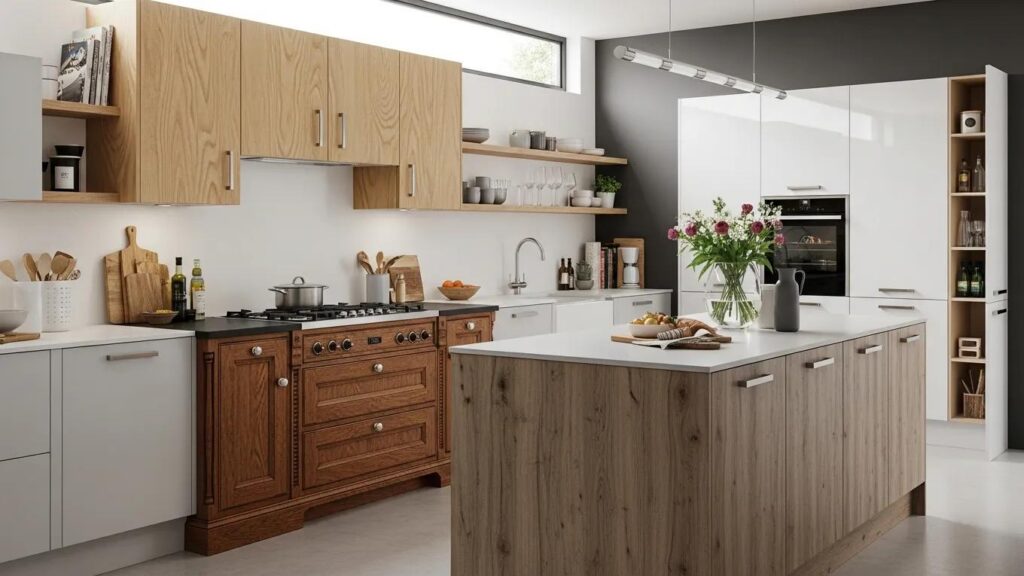
Best Materials for Kitchen Cabinets Explained
By Andrei Scvortov, Kitchen Wholesale
Choosing the right material for kitchen cabinets affects durability, upkeep, and appearance. This guide reviews common options—MDF, plywood, solid wood, particleboard, and laminate—summarising their characteristics, pros, cons, and maintenance so homeowners can match material choice to budget and use.
MDF (Medium-Density Fiberboard)
Medium-Density Fiberboard (MDF) has a smooth, uniform surface ideal for painted finishes and contemporary designs. It is economical and versatile but less moisture-tolerant than plywood unless sealed.
Cost and Durability
MDF cabinets typically cost CAD 100–150 per linear foot. With proper sealing and routine care they can perform well in many kitchens but are not ideal for very wet environments.
Plywood
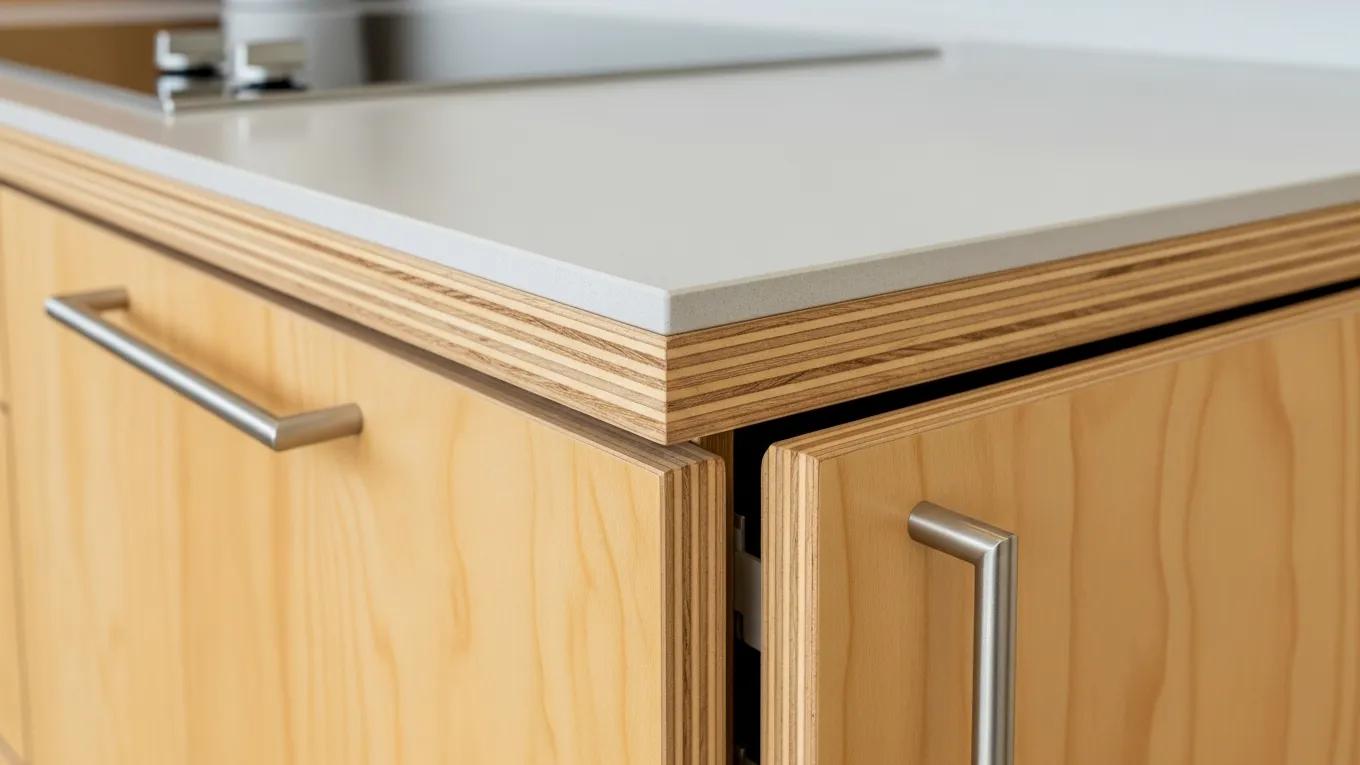
Plywood is made from bonded veneers and is valued for strength, dimensional stability, and better moisture resistance than many engineered panels, making it a robust choice for kitchens.
Cost and Durability
Plywood generally costs CAD 200–400 per linear foot and rates highly for long-term durability and resistance to warping under regular use.
Solid Wood
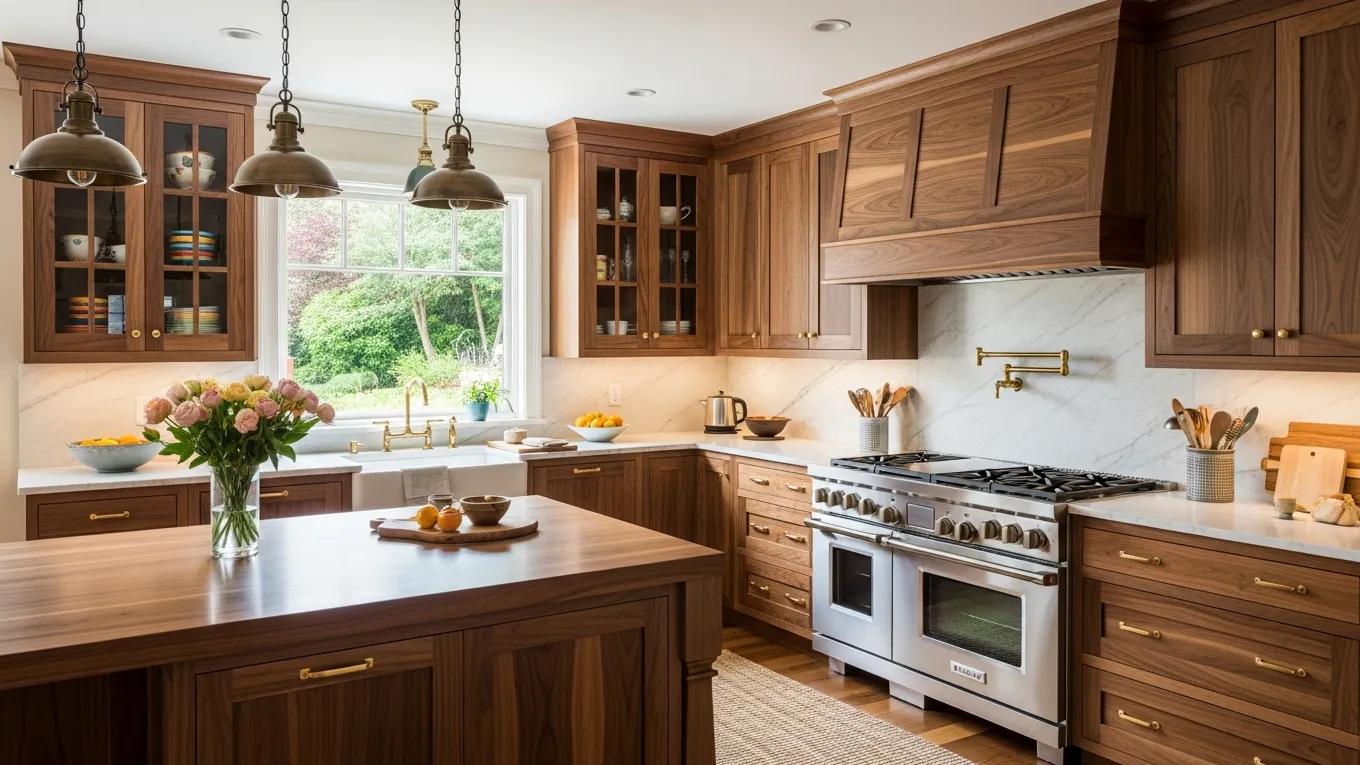
Solid wood provides natural grain, lasting aesthetic appeal, and high durability. It’s a premium option that can add resale value when maintained.
Cost and Durability
Solid wood commonly ranges CAD 300–800 per linear foot. With periodic refinishing and proper care, it can last for decades.
Particleboard
Particleboard is an affordable panel made from wood chips and resin. It works for budget projects or low-traffic areas but performs poorly when exposed to moisture or heavy use.
Cost and Durability
Particleboard is generally less expensive than MDF or plywood, appealing to tight budgets, but its limited durability restricts long-term use in busy kitchens.
Laminate
Laminate pairs a particleboard core with a decorative, easy-clean surface available in many colors and patterns; it resists scratches and suits busy households.
Cost and Durability
Laminate typically costs CAD 80–200 per linear foot. It balances affordability and low maintenance but usually won’t match the lifespan of plywood or solid wood.
Summary
Key recommendations:
- Best Overall: Plywood for durability and moisture resistance.
- Best for Aesthetics: Solid wood for timeless beauty and value.
- Best Budget Option: MDF for affordability and a smooth painted finish.
What Are the Most Durable Kitchen Cabinet Materials?
Solid wood and plywood are the most durable choices. MDF and particleboard are moderate to low in durability; laminate is low-maintenance but typically shorter-lived than solid wood or plywood.
How Does Solid Wood Compare in Durability and Maintenance?
Solid wood often lasts 20–30 years with appropriate maintenance such as refinishing. It needs more upkeep than laminate or MDF but usually increases resale value.
What Are the Durability Features of MDF and Engineered Wood?
MDF is cost-effective and smooth for paint but is vulnerable to moisture without sealing. Engineered plywood offers greater stability and warp resistance in humid conditions.
Which Kitchen Cabinet Materials Offer the Best Value for Affordability?
MDF is commonly the most economical choice. Plywood provides a balance of cost and longevity; solid wood is a higher upfront investment that can pay off over time.
Are Laminate Cabinets a Cost-Effective Choice for Homeowners?
Laminate is cost-effective for low-maintenance, budget-conscious renovations. It suits heavy-use households that prioritise easy cleaning over long-term longevity.
How Do Material Costs Vary Among Popular Kitchen Cabinet Options?
Costs vary: MDF is generally least expensive among engineered options, plywood is mid-range, and solid wood is the most costly. Knowing these ranges helps set a realistic budget.
What Are the Key Differences Among Common Kitchen Cabinet Wood Types?
Solid wood shows unique grain and character; engineered woods like plywood are more uniform and resist warping better. These differences affect appearance and dimensional stability.
How Do Solid Wood and Engineered Wood Cabinets Differ in Appearance and Performance?
Solid wood offers natural variation; engineered wood provides consistency. Engineered products are usually less reactive to humidity, while solid wood may need more climate-related care.
What Are the Benefits and Drawbacks of MDF Cabinets?
MDF is economical with a smooth surface ideal for painted finishes. Its drawback is lower moisture resistance compared with plywood unless well sealed.
Which Cabinet Finishes Are Best for Kitchen Cabinets and How Do They Affect Maintenance?
Painted, stained, and laminate finishes each trade off appearance and upkeep: painted offers color flexibility but may need touch-ups; stain highlights wood and can be durable; laminate is easiest to clean and maintain.
What Are the Advantages of Sherwin-Williams Finishes for Kitchen Cabinets?
Sherwin-Williams finishes are known for quality, durability, and a wide color range, providing protection that helps cabinets retain their appearance longer.
How Do Different Finishes Impact Cabinet Longevity and Care?
Finishes influence how much maintenance cabinets need: painted surfaces can chip, stained surfaces need regular care, and laminate surfaces are the simplest to keep clean.
Frequently Asked Questions
What factors should I consider when choosing kitchen cabinet materials?
Consider durability, maintenance, cost, aesthetics, kitchen layout, and environmental credentials such as FSC certification or low‑VOC finishes.
How can I extend the lifespan of my kitchen cabinets?
Maintain cabinets with appropriate cleaners, keep seals intact (especially on MDF), address moisture promptly, and refinish solid wood as needed.
Are there eco-friendly options for kitchen cabinets?
Yes—look for FSC-certified wood, rapidly renewable materials like bamboo, recycled-content panels, and low‑VOC finishes.
What are the best finishes for kitchen cabinets?
Choose painted finishes for colour flexibility, stained finishes to showcase wood, or laminate for low-maintenance, depending on style and care priorities.
How do I choose the right color for my kitchen cabinets?
Match cabinet colour to countertops, walls, and floors; use light tones to open small spaces or dark tones for depth. Test samples in your kitchen lighting before deciding.
What are the common mistakes to avoid when selecting kitchen cabinets?
Avoid ignoring workflow and durability, underestimating maintenance, and failing to set a realistic budget. Plan carefully to align materials with use and style.